Ab Exercises for Core Strength and Stability

Explore ab exercises to build core strength, stability, and control. Browse beginner to advanced movements with proper form, muscles worked, benefits, and variations to train your abs more effectively.

Use the filters below to narrow the exercise library and find the right exercises faster.

Clear filters

Browse Ab Exercises by Equipment

Choose the equipment you have access to and filter the guides below to movements that match your setup.

Exercise Library

All Exercise Guides

Showing 1 exercise guide

Barbell

How to Choose the Right Ab Exercises

The best ab exercises depend on your goal, training level, and available equipment. Some movements are better for building strength and control, while others are more useful for stability, balance, or progression over time. A well-rounded core routine usually includes more than one type of ab exercise.

Choose Based on Your Goal

If your goal is general core strength, start with simple movements you can control well. If you want more challenge, add weighted exercises, hanging variations, or anti-rotation work. Beginners usually benefit most from mastering form first, while experienced lifters can use a wider mix of strength and stability-based movements.

Match Your Equipment

Your training setup matters. Bodyweight ab exercises are practical for home workouts, while cables, machines, benches, and bars can help you add resistance and variation in the gym. The best option is the one you can perform with good control, full range, and consistent progression.

Use More Than One Movement Type

A strong core routine should not rely on one exercise pattern alone. Flexion-based movements can help train the abs directly, while stability and anti-rotation exercises help improve control, balance, and trunk strength. Using a mix of movement types can help create more complete core development over time.

Build Control Before Progression

It is usually better to perform fewer high-quality reps with good form than to rush through advanced variations. Focus on controlled movement, stable positioning, and breathing before increasing difficulty, resistance, or complexity. Once your technique is solid, progress becomes more effective and safer.

Use the exercise guides above to find movements that match your current level, equipment, and training goal, then build your routine around a small mix of foundational and progressive ab exercises.


Exercise FAQs

Frequently Asked Questions About Ab Exercises

Use these quick answers to understand how ab exercises fit into core training, which movements are best for beginners, and how to choose the right exercises for your goal.

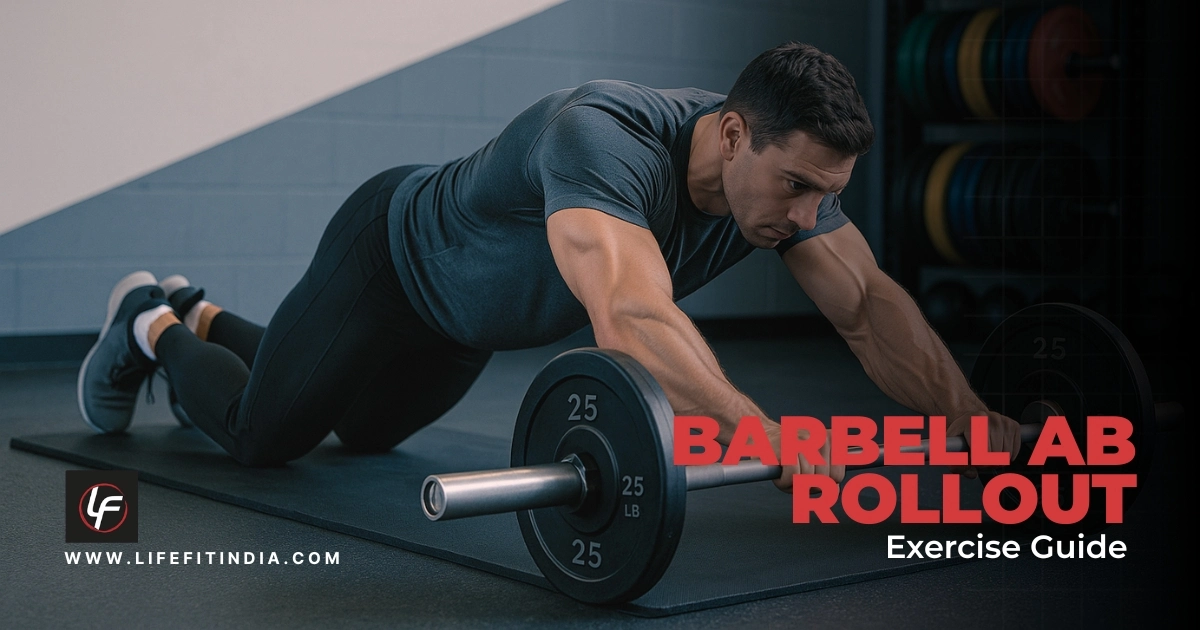
The best ab exercises usually include a mix of flexion, stability, and anti-rotation movements. Exercises such as cable crunches, hanging leg raises, planks, ab rollouts, and controlled bodyweight variations can all help strengthen the core when used in a balanced routine.
Beginners usually benefit from simple movements they can control well, such as planks, dead bugs, toe taps, basic crunch variations, and other low-complexity core exercises. Starting with controlled technique is usually more useful than jumping straight into advanced or heavily loaded movements.
Ab exercises mainly focus on the abdominal muscles, while core exercises can include a broader group of muscles that help stabilize the trunk and spine. In practice, many effective ab workouts also train the wider core, especially when they include stability and anti-rotation work.
Yes. Many effective ab exercises can be done at home using only bodyweight, including planks, crunch variations, leg raises, and other floor-based core movements. Equipment like dumbbells, cables, or machines can add more resistance, but they are not required to get started.
Ab exercises can help build stronger abdominal muscles, but a complete core routine usually includes more than just crunch-style movements. Stability, bracing, and anti-rotation exercises are also useful because the core supports posture, spinal control, and full-body movement.
You can train abs frequently, but daily hard ab workouts are not necessary for most people. Like other muscle groups, the abs usually respond better when training volume, exercise difficulty, and recovery are managed properly.
Start with your goal, training level, and available equipment. A practical approach is to use one or two foundational movements for control and stability, then add more challenging exercises for progression as your strength improves.
Loaded crunch and leg-raise variations are often used more for direct abdominal strength, while planks, anti-rotation work, and controlled core holds are commonly used more for stability and trunk control. A balanced program usually benefits from both.