

A squat rack is one of the most important pieces of equipment for any home gym or strength-focused training space. It allows safe and effective performance of squats, presses, rack pulls, and multiple compound movements that build full-body strength. Choosing the right squat rack becomes especially important when working within a budget, as stability and safety should never be compromised for price.
This guide explains how to choose an affordable squat rack by understanding different rack types, key features, pricing factors, and practical considerations for home gym users.
Why a Squat Rack Is Essential for a Home Gym
A squat rack provides a stable structure to safely unrack and rerack a barbell during heavy lifts. Exercises such as back squats, front squats, overhead presses, and bench presses rely on proper bar positioning, which a squat rack makes possible.
Beyond squats, most racks support additional exercises such as pull-ups, dips, and rack-supported movements. For home gym users, a squat rack offers versatility while reducing dependence on commercial gym access.
Types of Squat Racks Available
Understanding the different types of squat racks helps narrow down the best option based on space, budget, and training style. Each rack design serves a different purpose, especially for users setting up squat racks for home gyms or compact training spaces.
Power Racks
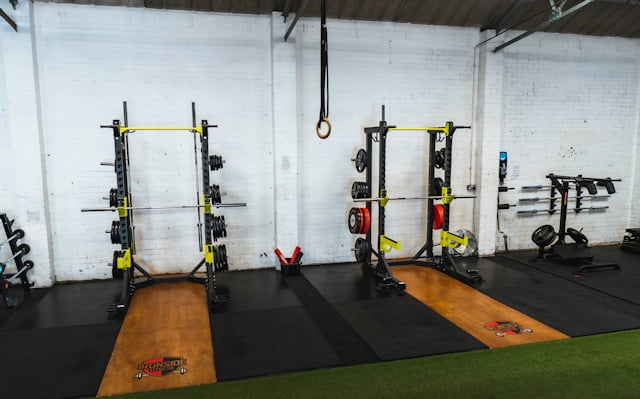
Power racks are enclosed structures with four vertical posts and built-in safety bars. They offer maximum stability and safety, making them suitable for heavy lifting and solo training. These racks are usually higher in cost but provide the most versatility.
Half Racks
Half racks use a two-post or partially enclosed design. They take up less space and are generally more affordable than full power racks while still offering decent stability and safety features.
Squat Stands
Squat stands consist of two independent uprights. They are the most budget-friendly option and work well for basic squatting and pressing. However, they offer limited safety features and require careful setup.
Wall-Mounted Racks
Wall-mounted racks fold away when not in use, making them ideal for small spaces. Installation is required, and load capacity depends on wall strength and mounting quality.
Key Factors to Consider When Choosing a Squat Rack
Selecting the right squat rack involves more than just price comparison.
Stability and Frame Strength
A squat rack should remain stable during unracking and reracking of weight. Thicker steel frames and wider bases provide better support, especially when lifting heavier loads.
Weight Capacity
Always choose a rack with a load rating higher than your current lifting level. This ensures safety and allows room for future strength progression.
Adjustability
Adjustable J-hooks and safety bars allow customization for different exercises and user heights. This is especially important for shared home gyms.
Safety Features
Safety bars or spotter arms are essential when training alone. They help prevent injury during failed lifts and add confidence when working with heavier weights.
Understanding Squat Rack Features
Modern squat racks often include additional features that enhance training flexibility.
Pull-up bars allow upper-body training within the same setup. Plate storage pegs help keep the gym organized while adding extra rack stability. Optional attachments such as dip handles, band pegs, and landmine attachments expand exercise variety.
While these features add value, prioritize core safety and stability before accessories.
Affordable Squat Rack Options for Home Gyms
Budget-friendly squat racks are available across different categories, making it possible to build strength training setups using basic home gym equipment without overspending.
Basic squat stands are the most economical option and are well suited for beginners who focus on foundational barbell movements. They require minimal space and are often the first choice when setting up a simple home gym.
Entry-level half racks offer a better balance between cost, safety, and durability. They provide more stability than squat stands while remaining affordable for users who want additional support without investing in a full power rack.
Second-hand squat racks can also be a cost-effective option if the frame, welds, and safety components are in good condition. When buying used equipment, checking load ratings and overall structural integrity is essential.
When working within a budget, prioritize safety, stability, and load capacity over cosmetic design or unnecessary attachments.
Where to Buy Squat Racks
Squat racks are available through multiple channels.
Online fitness equipment stores offer a wide selection with detailed specifications. Sporting goods retailers allow in-person inspection. Local marketplaces may offer used equipment at reduced prices, though safety checks are critical.
Comparing specifications, reviews, warranty coverage, and installation support helps ensure long-term value.
How to Compare Prices and Find the Best Deals
When comparing squat rack prices, consider the total cost rather than the base price alone. Shipping fees, installation costs, and accessory compatibility can affect overall value.
Seasonal discounts and bundled equipment deals can reduce costs. Reading customer reviews helps identify potential durability or assembly issues before purchase.
Setting Up and Using a Squat Rack Safely
Proper setup is essential for safe training. Assemble the rack on a level surface and tighten all bolts according to manufacturer guidelines. Using rubber flooring or mats helps protect floors and improve grip.
Always set safety bars at an appropriate height and test the rack with lighter loads before progressing to heavier lifts.
Maintenance and Safety Tips
Regular maintenance extends the lifespan of a squat rack. Inspect bolts and welds periodically, clean the frame to prevent corrosion, and ensure moving parts remain secure.
Avoid exceeding the rack’s rated capacity and replace worn components promptly to maintain safety.
Conclusion
Choosing an affordable squat rack requires balancing budget, safety, and long-term training needs. By understanding rack types, evaluating key features, and comparing options carefully, it is possible to build a reliable home gym setup without unnecessary expense.
A well-chosen squat rack supports consistent strength training, improves workout safety, and provides versatility for years of use. To apply these insights practically, you can explore squat rack options that match your space, budget, and training goals before finalizing your setup.