



Fitness Equipment Reviews & Buying Guides

Explore fitness equipment reviews and practical buying guides for treadmills, spin bikes, rowers, benches, racks, yoga mats and other gym essentials. This page helps home users and commercial buyers compare equipment types, understand key features, and choose the right setup for their space, budget and training goals.

Equipment Buying Guide

How to Choose the Right Fitness Equipment for Your Goals

Choosing the right fitness equipment starts with understanding how you train, how much space you have, and what you want your setup to achieve over time. Whether you are buying for a home gym or a commercial fitness space, the right equipment should match your routine, your budget, and your available room without making your setup more complicated than it needs to be.

Start With Your Main Training Goal

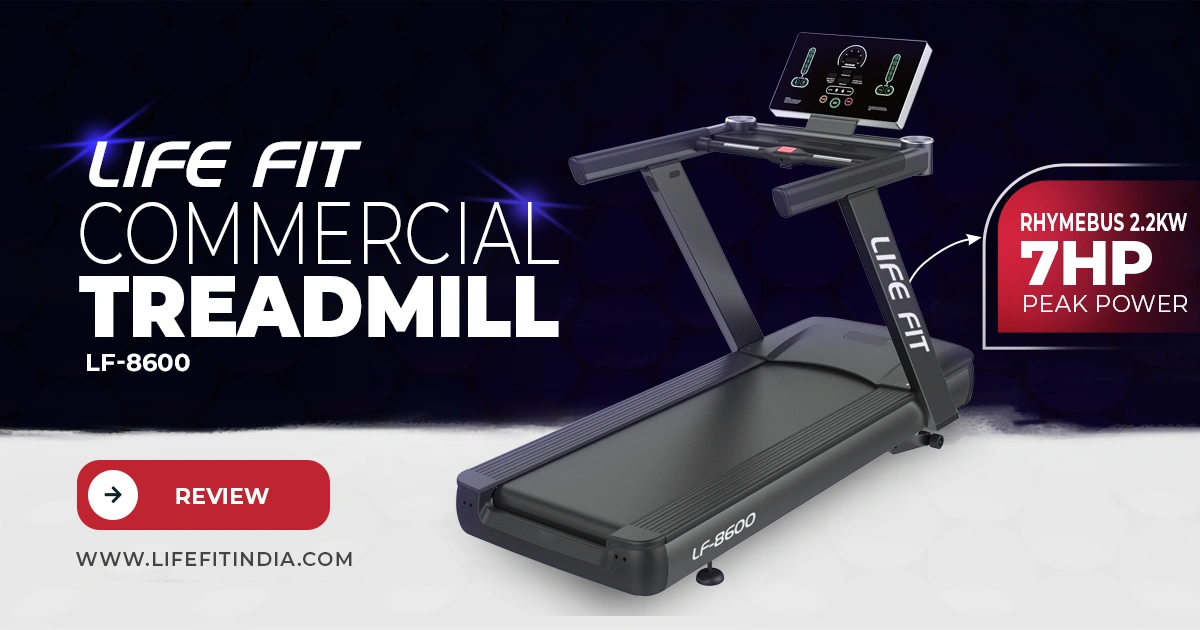
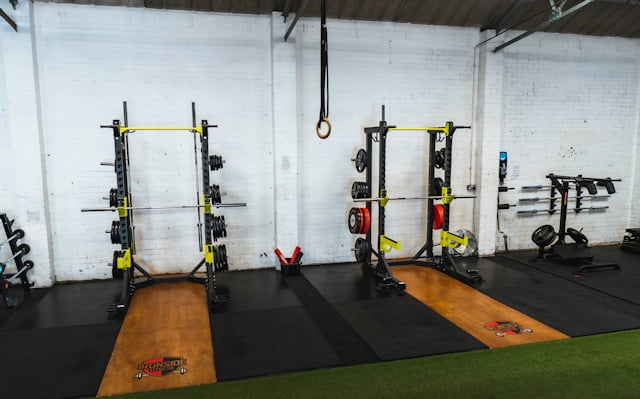
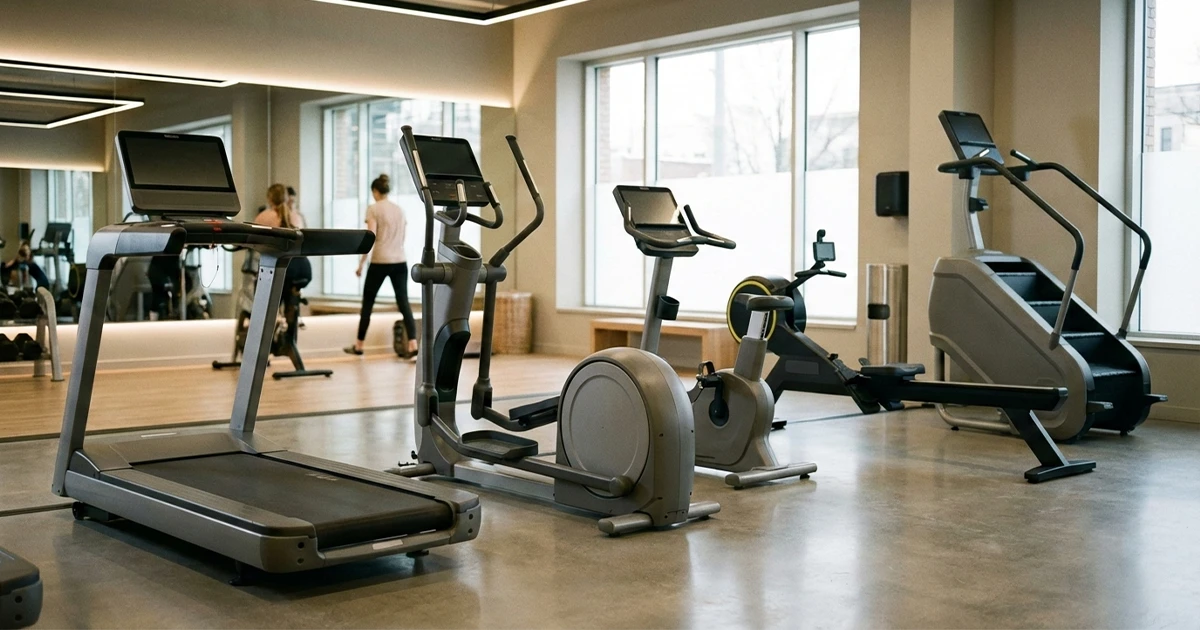
Your first decision should be based on what you want to improve. If your goal is cardio, endurance, or calorie-burning workouts, treadmills, spin bikes, rowers, and ellipticals are often the best place to begin. If your focus is strength training, benches, squat racks, and free-weight setups usually offer better long-term value. For flexibility, recovery, mobility, or bodyweight training, a quality yoga mat and a few essential accessories can be enough to build a practical workout area.

Choose Equipment That Fits Your Space

Before buying any machine or training station, measure your room properly. Check floor area, ceiling height, movement clearance, and whether the setup will still feel comfortable during real use. Larger machines can look appealing, but they only work well when the surrounding space still feels open, safe, and practical. In smaller rooms, compact or foldable options often make more sense than oversized equipment.

Focus on the Features That Matter Most

Different equipment types should be compared in different ways. For cardio machines, pay attention to comfort, resistance or speed range, noise level, stability, and ease of use. For strength equipment, look at frame quality, weight capacity, safety support, adjustability, and compatibility with attachments or accessories. For mats and other workout essentials, grip, cushioning, durability, and material quality are often more important than appearance alone.

Think About Long-Term Use and Overall Value

The best equipment is not always the cheapest option at the start. Good fitness equipment should be comfortable to use regularly, simple to maintain, and durable enough for your training style. In many cases, it is better to start with fewer, more useful pieces than to fill your gym space with products that do not match your actual workout needs.

Use Reviews and Buying Guides to Compare Better

A strong review or buying guide helps you understand how equipment performs in real use, which features are worth paying for, and what type of setup makes the most sense for your goals. Explore the reviews in this category to compare treadmills, spin bikes, rowers, benches, racks, yoga mats, punching bags, and other fitness equipment for home and commercial gyms.

Reviews FAQs

Common Questions About Choosing Fitness Equipment

These answers can help you compare equipment types more clearly before you commit to a home or commercial fitness setup.

Start with equipment that matches your main goal and available space. For many beginners, a yoga mat, resistance bands, a bench or dumbbells, and one cardio option such as a treadmill, spin bike, or rower create a strong starting setup.
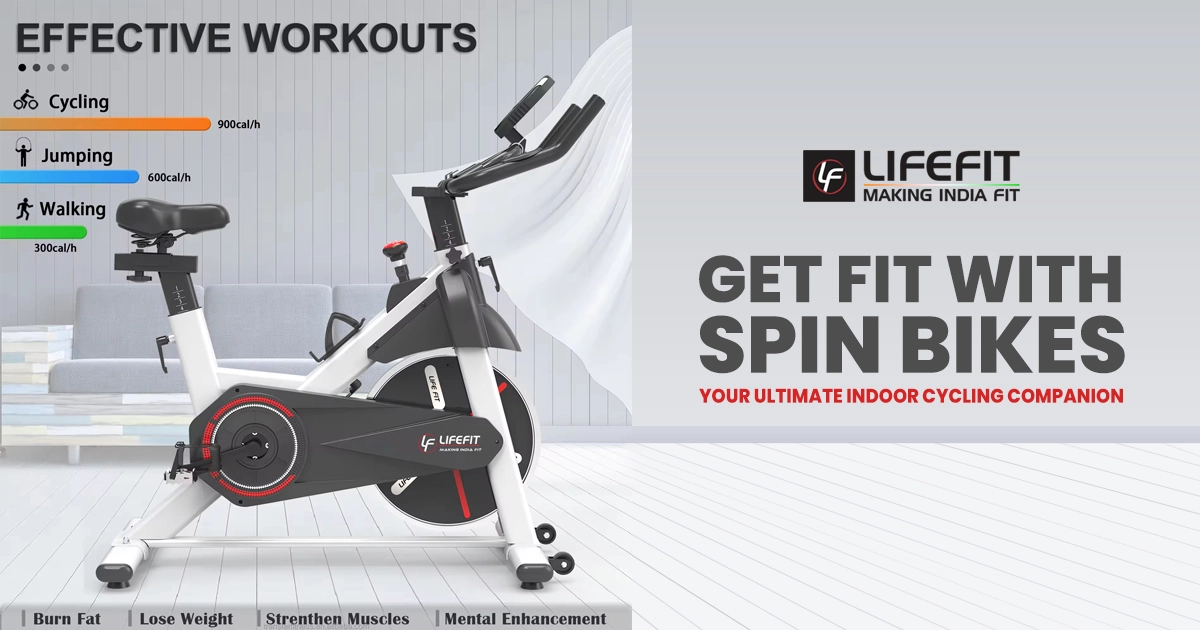
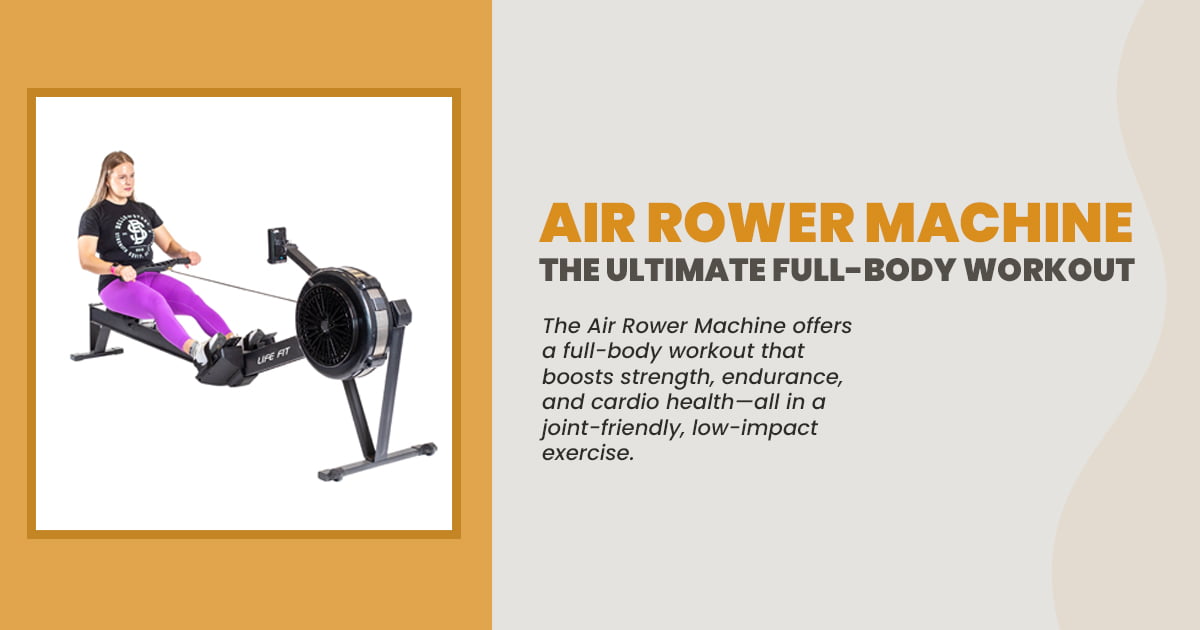
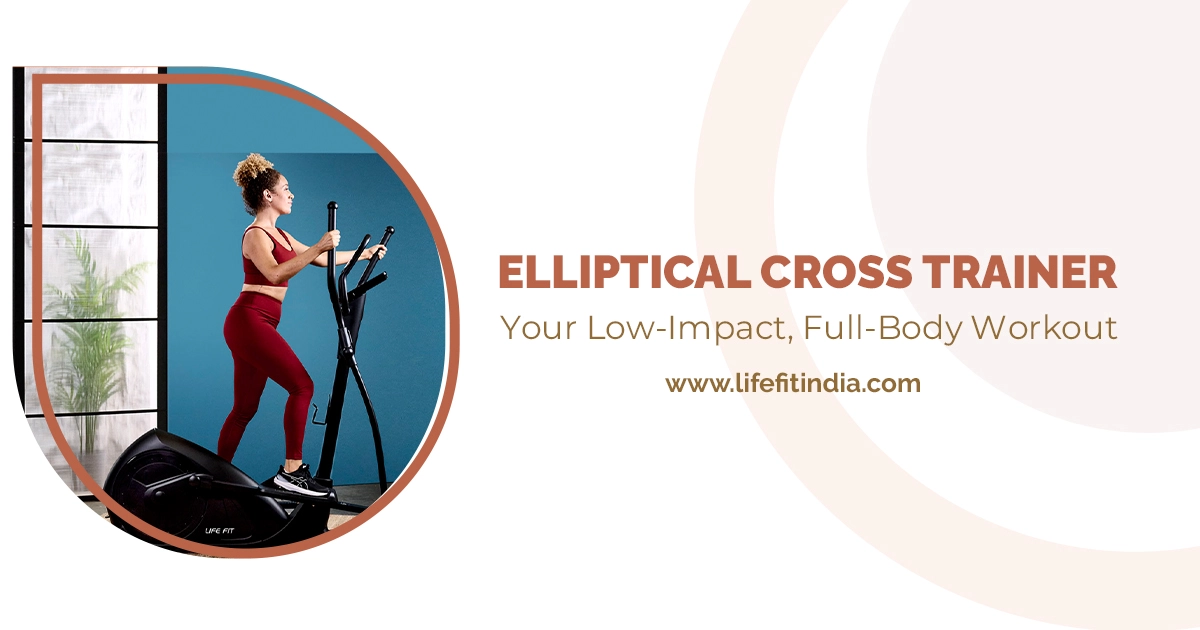
Choose a treadmill for walking, jogging, and familiar cardio workouts. A spin bike is a good option for low-impact indoor cycling and compact spaces. A rower is ideal for full-body conditioning, while an elliptical works well for low-impact cardio with less stress on the joints.
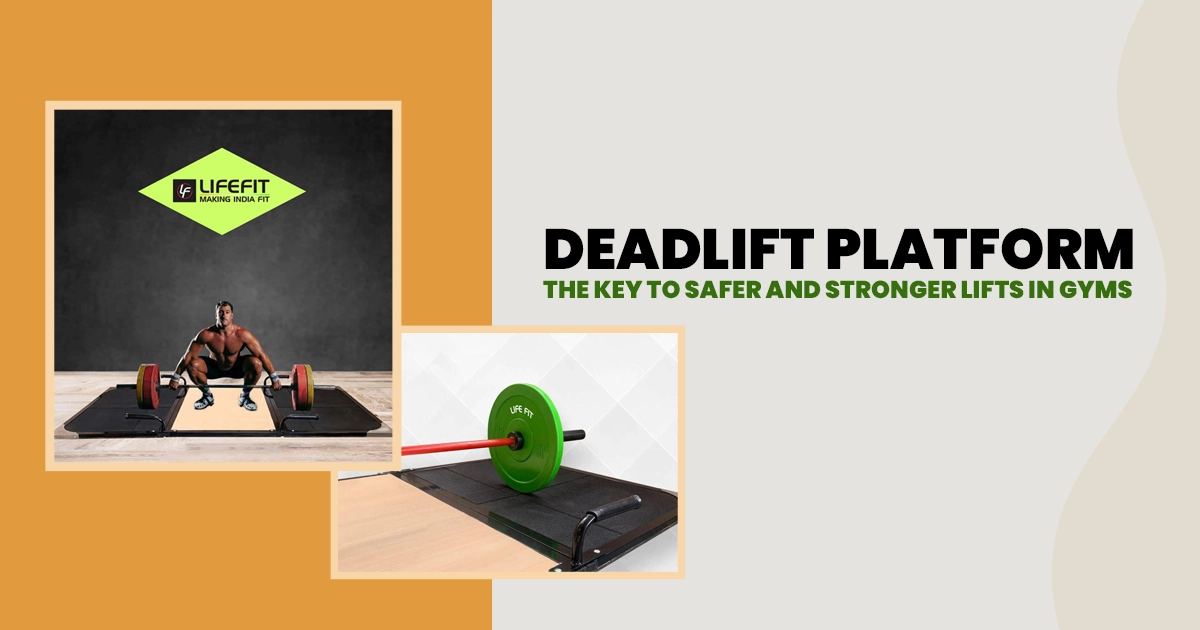
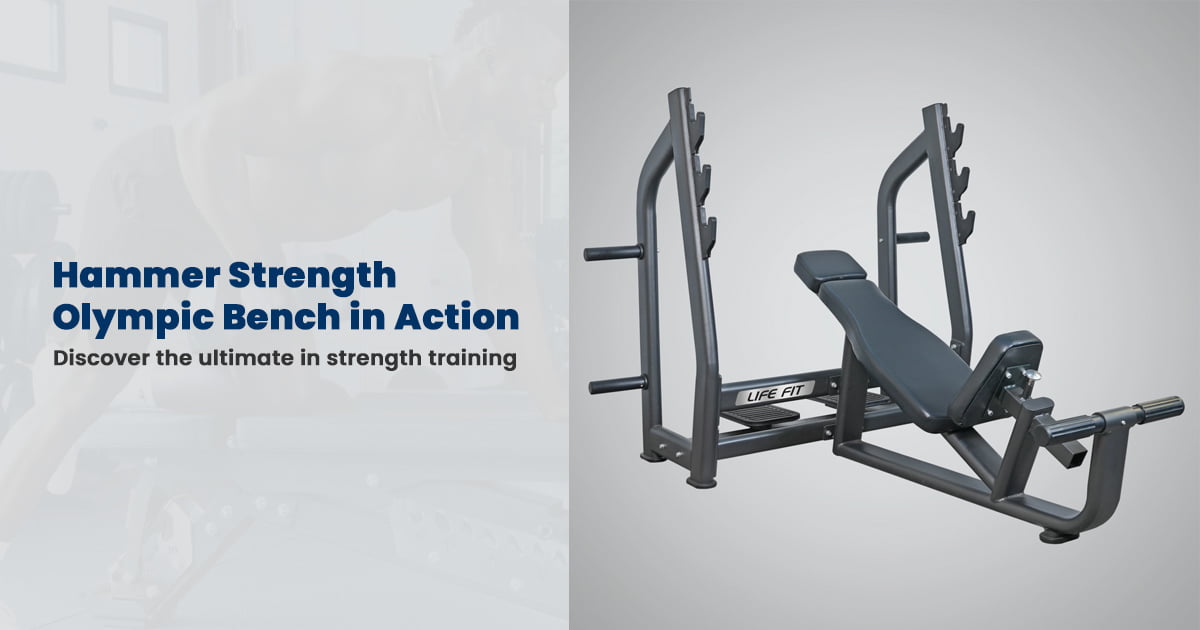
Look at frame stability, overall build quality, weight capacity, safety features, adjustment options, and the amount of space the unit needs. It should also fit your training style and work well with the barbell, plates, or accessories you plan to use.
A 4mm to 6mm yoga mat works well for most users. Thinner mats are easier to carry and give better floor feel, while thicker mats provide more cushioning for knees, wrists, and general home workouts.
Yes. Home gym equipment usually focuses on compact size, convenience, and versatility. Commercial gym equipment is typically built for heavier daily use, larger spaces, and longer-term durability in high-traffic environments.
Set your budget around the equipment you will use most often. It is usually better to invest first in a few high-value essentials that fit your goals than to buy too many machines at once.
Focus on usability, build quality, comfort, safety, maintenance needs, and how well it fits your routine. The right choice is not just about features on paper, but whether the equipment will realistically support consistent training.