

Choosing the right machines for a gym is one of the most important decisions for creating an effective and sustainable fitness space. Whether you are setting up a home gym or a commercial facility, the equipment you select directly impacts workout quality, user satisfaction, safety, and long-term maintenance costs.
This guide explains how to evaluate gym machines, understand different equipment types, and make informed buying decisions based on space, training goals, and usage needs.
Assessing Your Space and Training Requirements
Before selecting any gym machines, it is essential to evaluate the available space and intended usage. Measure the total floor area, ceiling height, and clearance required for safe movement around equipment. Machines should not be placed too closely together, especially in commercial gyms where multiple users may train at the same time.
Next, define the purpose of the gym. A home gym may focus on compact, multi-functional machines, while a commercial gym typically requires a wider variety of cardio and strength equipment to serve different fitness levels. Understanding whether the primary goal is general fitness, strength training, weight loss, or rehabilitation will guide equipment selection.
Understanding Different Types of Gym Machines
Gym machines can be broadly grouped into three main categories, each serving a specific training purpose.
Cardio Machines
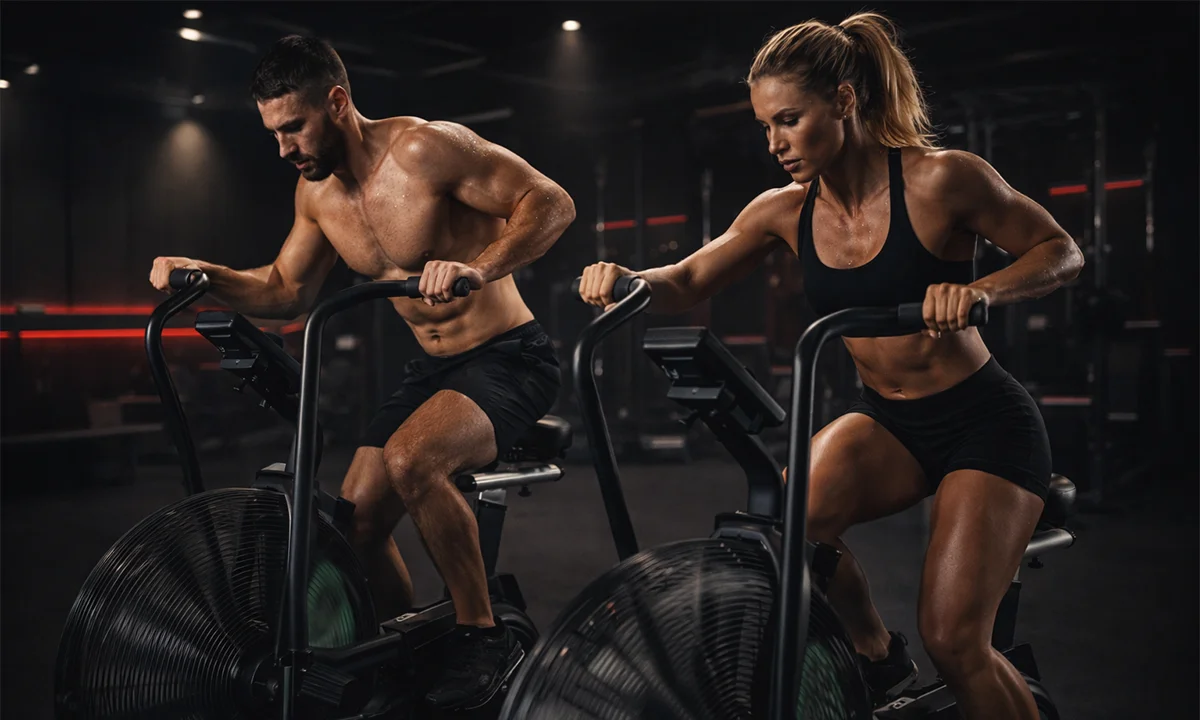
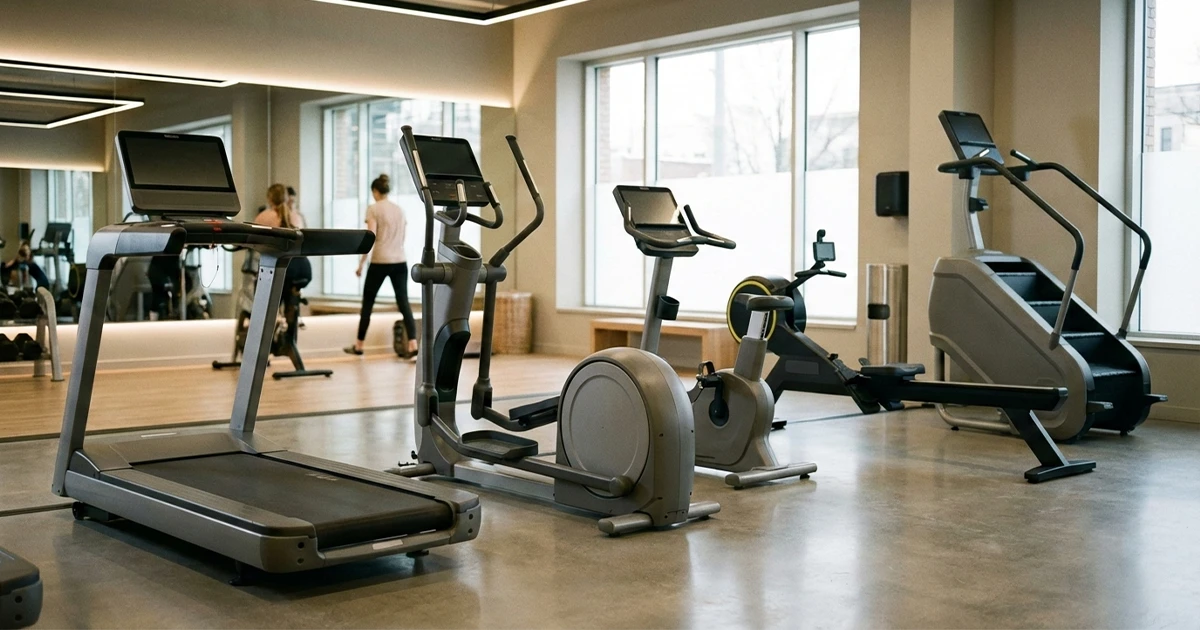
Cardio equipment is designed to improve cardiovascular endurance and burn calories. Common examples include treadmills, elliptical cross trainers, stationary bikes, rowers, and stair climbers. When choosing cardio machines, look for smooth operation, adjustable resistance or speed settings, and durability suitable for frequent use.
Strength Machines
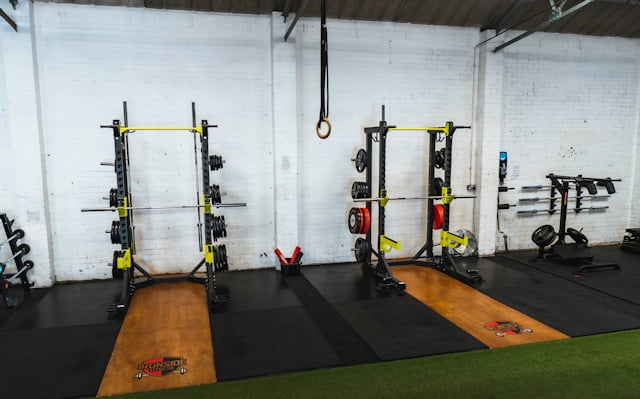
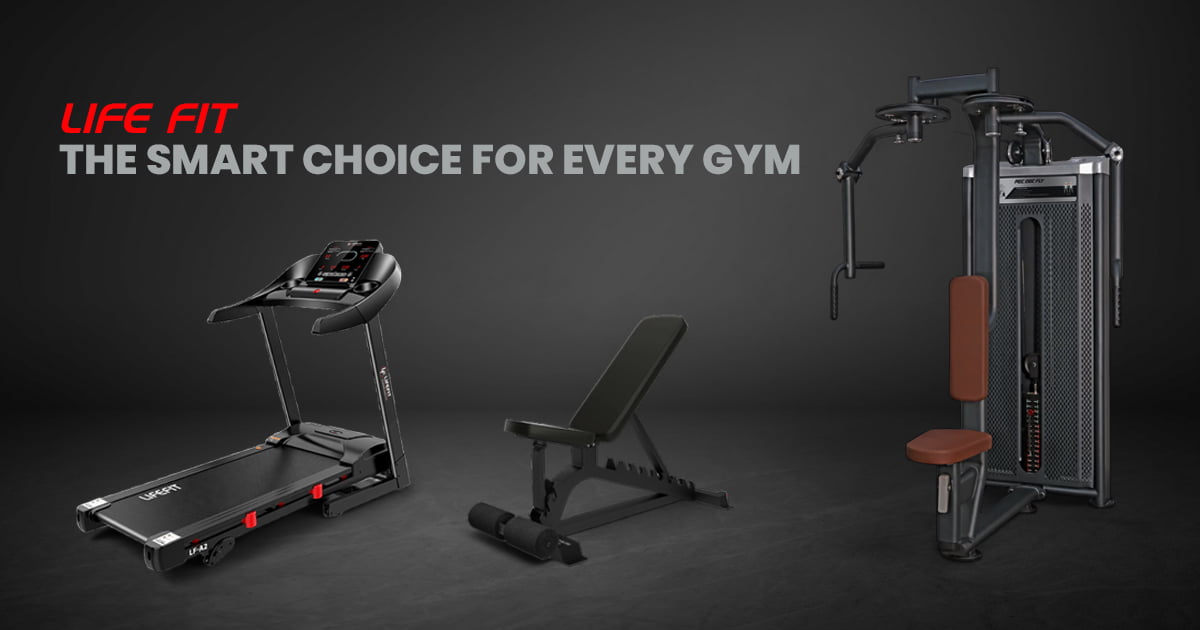
Strength machines support muscle development and controlled resistance training. These include leg presses, chest presses, lat pull-downs, Smith machines, and selectorized weight machines. Adjustable seats, smooth cable systems, and solid frame construction are key factors to consider for safety and comfort.
Multi-Functional Machines
Multi-functional machines such as cable crossover systems and functional trainers allow multiple exercises using a single unit. These are ideal for gyms with limited space, as they provide versatility without requiring multiple standalone machines.
Key Factors to Consider When Buying Gym Machines
Selecting gym machines should go beyond appearance or brand familiarity. Several practical factors determine long-term value and performance.
Build Quality and Durability
Machines should be constructed from high-grade materials capable of handling repeated use. In commercial environments, reinforced frames and industrial-grade components are essential to prevent breakdowns and excessive maintenance.
User Comfort and Adjustability
Equipment should accommodate users of different heights, body types, and experience levels. Adjustable seats, handles, and resistance settings improve usability and reduce the risk of improper form.
Safety Features
Safety is critical in both home and commercial gyms. Look for machines with stable bases, secure weight stacks, emergency stop features on cardio equipment, and protective guards where necessary.
Maintenance Requirements
Machines with easily accessible components and clear maintenance guidelines are easier to service and maintain. Regular cleaning, lubrication, and inspections help extend equipment lifespan.
Budget and Long-Term Value
While budget matters, choosing the lowest-cost option often leads to higher repair and replacement expenses. Investing in reliable machines provides better performance and lower ownership costs over time.
Matching Machines to Gym Type
Different gym setups require different equipment strategies.
Home gyms benefit from compact machines that combine multiple functions and require minimal maintenance. Commercial gyms need robust equipment designed for continuous use and diverse training needs. Strength-focused facilities prioritize heavy-duty strength machines, while general fitness gyms require a balanced mix of cardio and resistance equipment.
Matching machines to the intended environment ensures efficient use of space and better user experience.
Popular Gym Machines and Their Uses
Some machines are commonly found in both home and commercial gyms due to their versatility and effectiveness.
Treadmills support walking, jogging, and running workouts suitable for a wide range of users. Elliptical cross trainers provide low-impact cardio training that reduces joint stress. Smith machines allow controlled barbell movements for strength training. Cable crossover machines enable multiple upper and lower body exercises using adjustable resistance.
Selecting a combination of these machines helps create a well-rounded training environment.
Where to Buy Gym Machines
Purchasing gym machines from a reliable supplier is as important as choosing the equipment itself. A dependable vendor should offer quality assurance, warranty coverage, and access to after-sales support. These factors reduce downtime and ensure equipment remains functional over the long term.
Maintenance Tips for Long-Term Performance
Proper maintenance extends the lifespan of gym machines and improves safety. Wiping down equipment after use prevents sweat buildup. Moving parts should be lubricated according to manufacturer guidelines, and machines should be inspected regularly to identify wear or loose components before they become serious issues.
Scheduled servicing is especially important in commercial gyms with high daily usage.
Frequently Asked Questions
Focus on available space, training goals, equipment durability, safety features, and long-term maintenance needs.
Choose compact or multi-functional machines that allow multiple exercises within a smaller footprint.
A combination of cardio machines, strength equipment, and functional training systems creates a balanced setup.
Quality matters more than brand name. Look for strong construction, smooth operation, and reliable support services.
Basic cleaning should be done daily, with deeper inspections and servicing scheduled periodically based on usage levels.
Conclusion
Choosing the right gym machines requires careful planning, realistic assessment of space and goals, and attention to long-term usability. By understanding machine types, evaluating build quality, and prioritizing safety and maintenance, gym owners can create a training environment that supports consistent performance and user satisfaction.
A well-planned equipment selection not only improves workouts but also protects the investment and ensures the gym remains functional and effective over time.