Shoulder Exercises for Front, Side and Rear Delts

Explore shoulder exercises for front, side, and rear delts with clear guidance on proper form, muscles worked, benefits, and progressions to help you build stronger, more balanced shoulders.

Use the filters below to narrow the exercise library and find the right exercises faster.

Popular Exercises

Start with some of the most-read guides in this section before browsing the full collection.

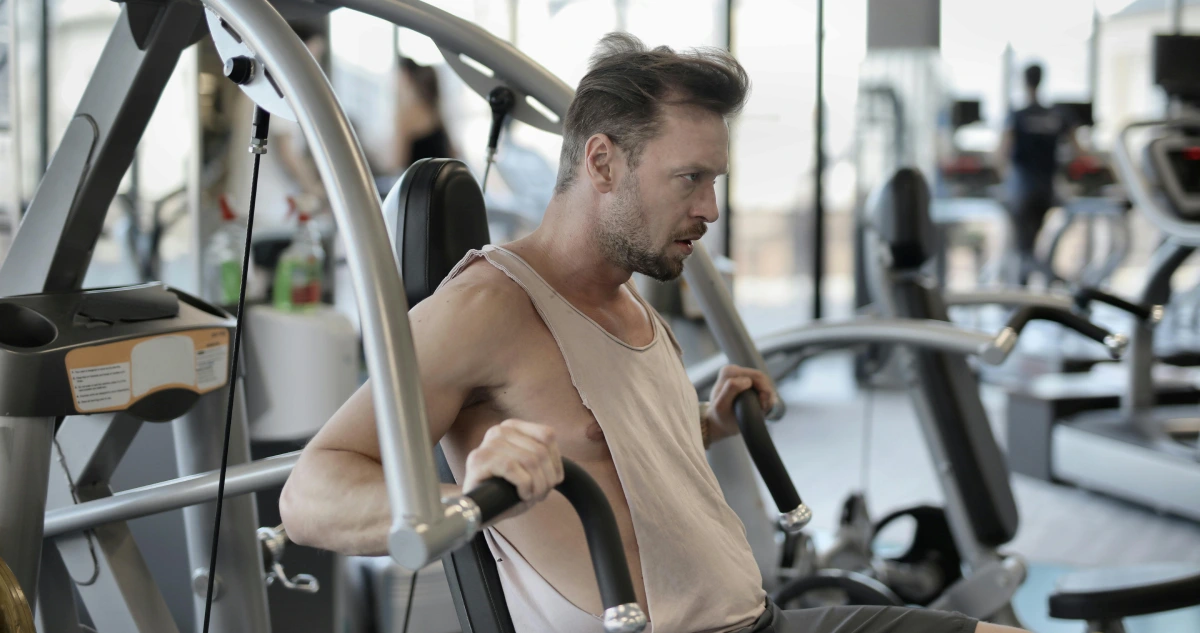
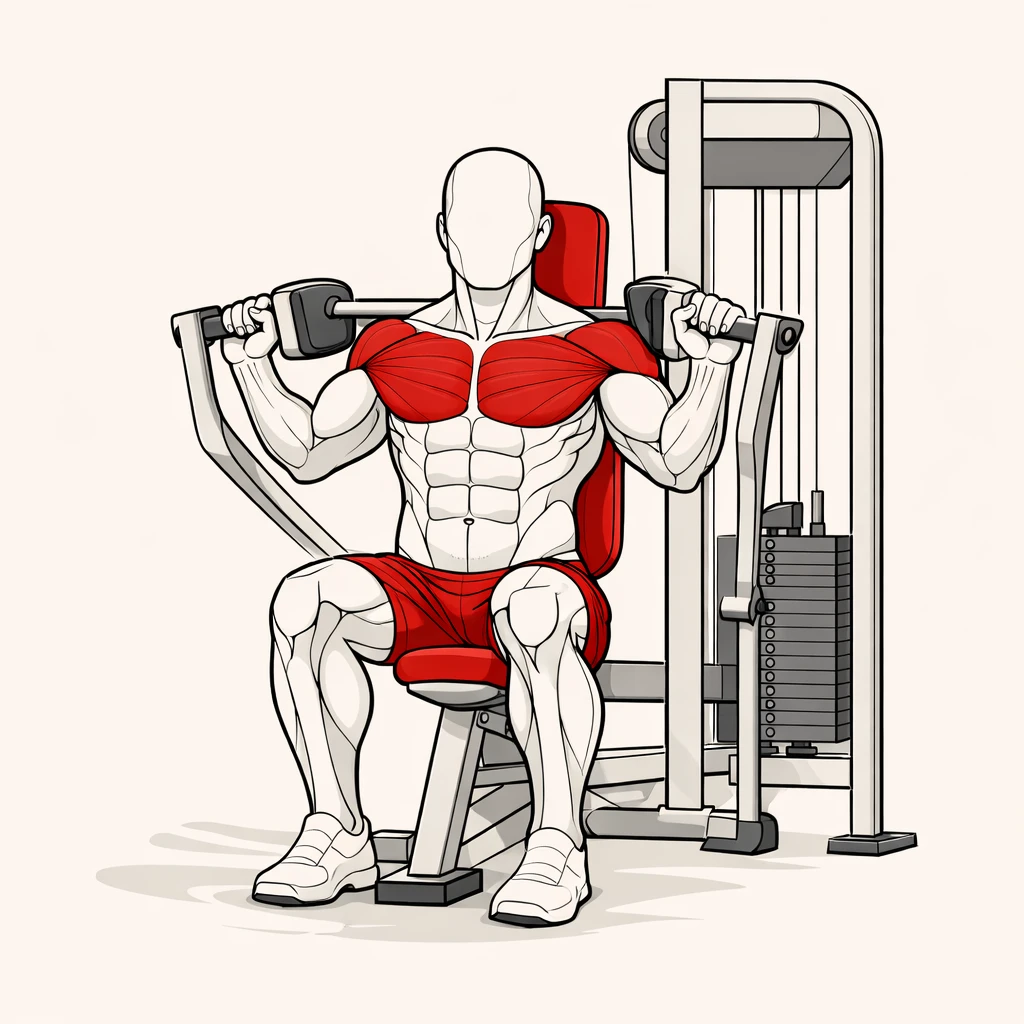
LIFE FIT shoulder press machine for effective upper body workout
Jan 27, 2026
Equipment Machine
Type Compound
Level Beginner

Shoulder Press Machine Exercise Guide

Browse Shoulder Exercises by Equipment

Choose the equipment you have access to and filter the guides below to movements that match your setup.

Exercise Library

More Shoulder Exercises

Showing 0 additional exercise guides from a total of 1

No posts published yet. Check back soon!

How to Choose the Right Shoulder Exercises

The best shoulder exercises depend on your goal, training level, and the part of the shoulders you want to emphasize. A balanced shoulder routine usually includes more than pressing alone, because the front, side, and rear delts do not all respond best to the same movement patterns.

Train All Three Delt Heads

Well-rounded shoulder training should include work for the front, side, and rear delts. Pressing variations often do a lot for the front delts, but side-raise and rear-delt movements are usually needed to build more balanced shoulder development.

Do Not Rely on Presses Alone

Overhead presses are useful for shoulder strength, but they are not enough on their own to fully train the shoulders. Lateral raises, rear-delt fly variations, rows, and face-pull style movements help cover areas that pressing alone may not emphasize as well.

Combine Compound and Isolation Work

Compound shoulder exercises are helpful for overall strength and heavier loading, while isolation movements make it easier to focus on specific parts of the delts. A stronger shoulder routine usually uses both, with presses for strength and exercises like lateral raises or rear-delt work for more targeted development.

Use Stable Options When Needed

If you want more control, or if certain overhead movements feel awkward, stable setups such as machine presses, guided pressing variations, or shoulder-friendly pressing angles can be useful. These options can help you train the shoulders with better control while still building strength and muscle over time.

Rear delt work is often the missing piece in shoulder training.

Use the exercise guides above to build your shoulder routine around a small mix of pressing, lateral-delt, and rear-delt movements. That approach is usually more effective than repeating only one exercise pattern, and it helps create stronger, more balanced shoulders over time.


Shoulder Warm-Up and Stability Support

A good shoulder routine is not only about presses and raises. A short warm-up that improves movement quality, activates the rotator cuff, and reinforces scapular control can help you prepare for heavier shoulder training with better control and more balanced movement.

Start With Mobility

Before training shoulders, it helps to warm up the upper back and shoulders with controlled mobility work. Simple drills that encourage better thoracic movement and smoother overhead motion can help prepare the joints and surrounding muscles for presses, raises, and other shoulder exercises.

Activate the Rotator Cuff

The rotator cuff helps support and control the shoulder during many upper-body movements. Light activation drills such as external-rotation-focused work can be useful before pressing or overhead training, especially when the goal is better control rather than fatigue.

Reinforce Scapular Control

Shoulder training usually works better when the shoulder blades move with control and stay well supported. Stability drills such as wall-based patterns or scapular control exercises can help improve awareness, posture, and movement quality before harder working sets.

Keep It Short and Specific

A shoulder warm-up does not need to be long. A few focused drills done with control before your main workout are usually enough to prepare the shoulders for pressing, lateral-delt work, and rear-delt training without turning the warm-up into a full session of its own.

Use this support work to improve movement quality before your main shoulder exercises, not to replace them. A short combination of mobility, rotator cuff activation, and scapular control can be a practical way to prepare for stronger and more balanced shoulder training.

Exercise FAQs

Frequently Asked Questions About Shoulder Exercises

Use these quick answers to understand how to choose shoulder exercises, train all three delt heads more effectively, and build stronger, more balanced shoulders.

The best shoulder exercises usually include a mix of pressing, lateral raise, and rear-delt-focused movements. A balanced routine often combines shoulder presses for overall strength, lateral raises for side delt development, and rear delt exercises for more complete shoulder training.
Shoulder presses are useful, but they are usually not enough on their own. Pressing movements can help build overall strength, but side delt and rear delt work is also important if you want more balanced shoulder development.
A good starting point is to use more than one movement pattern in your shoulder routine. Presses can cover a large part of shoulder training, but side-delt-focused raises and rear-delt-focused fly or pull variations help make shoulder development more balanced.
Compound shoulder exercises usually train the shoulders along with other muscles and are often used for overall strength and heavier loading. Isolation shoulder exercises focus more directly on one part of the delts and are useful when you want more targeted shoulder development.
Beginners usually do best with shoulder exercises that are stable, easy to control, and simple to learn. Machine presses, dumbbell shoulder presses, lateral raises, and other controlled shoulder movements are often easier starting points than more advanced variations.
Machine or landmine-style pressing can be useful when you want more support, a more controlled path, or a more shoulder-friendly pressing option. They can work well for beginners, for lifters who want more stability, or when a strict overhead press does not feel like the best fit.
Rear delt work helps support more balanced shoulder development and can reduce the tendency to train only the front of the shoulders. It is also commonly included in shoulder programs that aim to improve posture, pulling balance, and overall shoulder function.
Shoulder exercises can be done with dumbbells, barbells, cables, machines, resistance bands, and bodyweight-based setups. The best equipment is the one that lets you move with control, use proper form, and progress over time.