


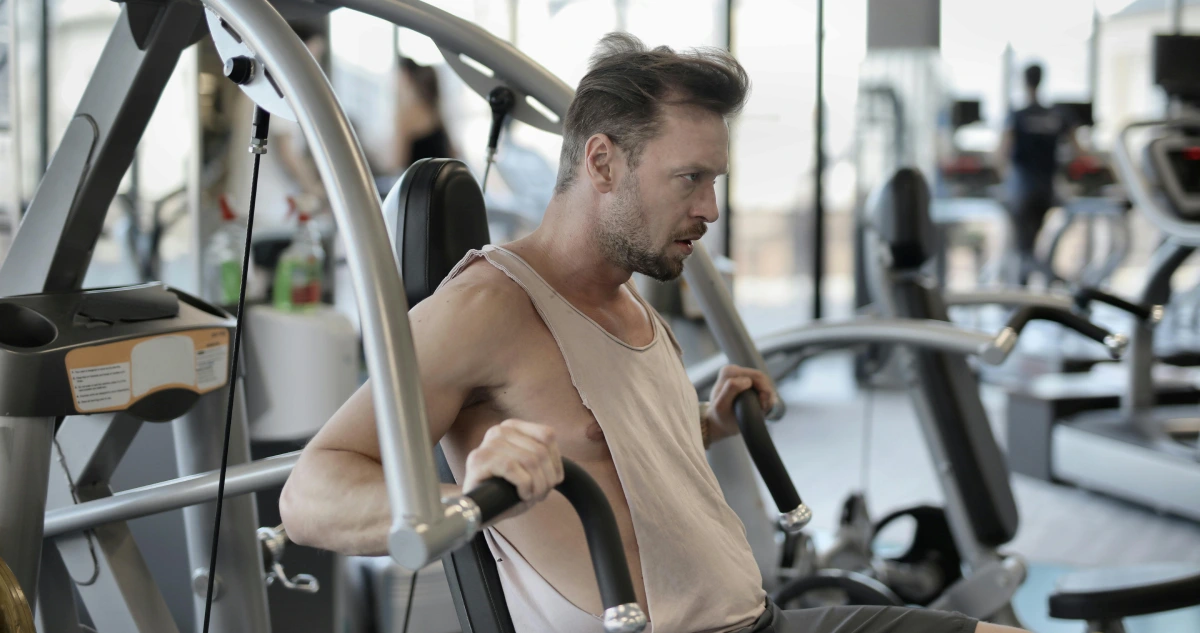
Machine Exercises for Muscle and Strength

Explore machine exercises for muscle and strength using guided gym machines. Browse form guides, muscles worked, benefits, and variations for chest press, shoulder press, leg curl, leg extension, pec deck, and more.

Use the filters below to narrow the exercise library and find the right exercises faster.

Popular Exercises

Start with some of the most-read guides in this section before browsing the full collection.

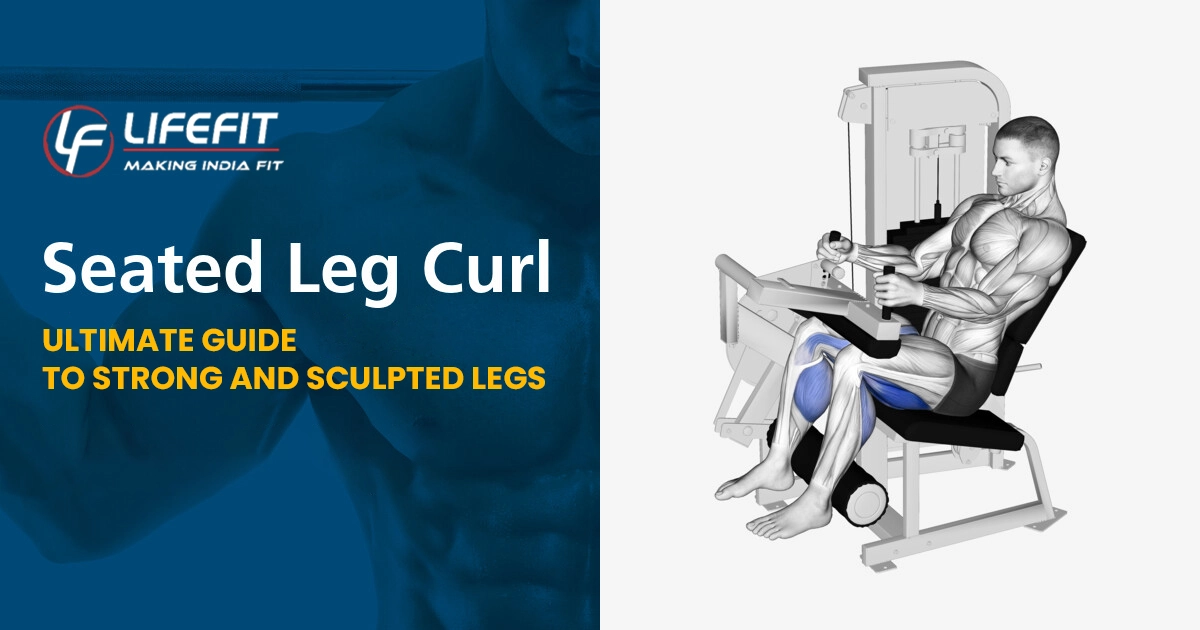
LIFE FIT seated leg curl exercise demonstration
Jan 27, 2026
Equipment Machine
Type Isolation
Level Beginner

Seated Leg Curl Exercise Guide

LIFE FIT shoulder press machine for effective upper body workout
Jan 27, 2026
Equipment Machine
Type Compound
Level Beginner

Shoulder Press Machine Exercise Guide

Exercise Library

More Machine Exercises

Showing 0 additional exercise guides from a total of 5

No posts published yet. Check back soon!

Machine Training Guide

How to Use Machine Exercises for Strength, Muscle, and Better Gym Training

Machine exercises are one of the easiest ways to build strength with more control, especially if you are new to resistance training or want to target specific muscles more directly. Because most gym machines guide the path of movement, they can help beginners learn basic lifting patterns more confidently while also giving experienced lifters a reliable way to push hard, isolate muscles, and train with less stability demand than free weights.

Why machine exercises work

Machine exercises work well because they reduce the balance and coordination demands that often make free-weight movements harder to learn at first. That makes them useful for beginners, for focused hypertrophy work, and for lifters who want to train close to failure with more control. Guided machines also make it easier to keep tension on the target muscle through the full set.

How to choose the right machine exercises

A balanced machine workout should include both compound and isolation exercises. Compound machine movements such as the leg press, chest press, lat pulldown, and shoulder press help train more muscle groups in fewer exercises. Isolation exercises such as leg curls, leg extensions, pec deck flyes, and biceps or triceps machines can then be used to give extra attention to specific muscles. This combination makes machine-based training more complete and easier to organize into full-body or split routines.

How to progress on gym machines

Start with a weight that allows you to control the movement and keep good form for the full set. As the exercise becomes easier, progress by adding a small amount of weight, performing more reps, slowing the tempo, or improving your range of motion without losing position on the seat or pad. On most machines, progress comes from better control first and heavier loading second.

Best way to use machine exercises

For most people, machine exercises work best when they are part of a broader strength plan. Use them to learn movement patterns, build confidence, target weak areas, and add safe training volume for muscle and strength. Over time, you can keep machines as a major part of your routine or combine them with dumbbells, barbells, and cables depending on your goals and experience.

Machine Exercise FAQs

Common Questions About Machine Exercises

These answers cover the most common questions people have when using strength machines for muscle building, safer training, and beginner gym workouts.

Machine exercises are strength exercises performed on guided gym equipment such as the leg press, leg curl, chest press, shoulder press, lat pulldown, and pec deck. These machines are designed to support your position and guide the movement path while you train specific muscles or movement patterns.
Yes. Machine exercises are often beginner-friendly because the fixed path of motion reduces the balance, coordination, and technical skill needed compared with many free-weight lifts. That can make it easier to learn form, build confidence, and train safely in a gym environment.
Yes. Machine exercises can be very effective for muscle growth because they allow you to train hard, isolate specific muscles, and keep tension on the working area with less stability demand. They are especially useful for adding focused hypertrophy work to a strength program.
Not automatically. Machines and free weights both have value, and the better option depends on your experience, goals, and exercise selection. Machines are often easier for beginners and for targeted muscle work, while free weights usually involve more stabilizing muscles and coordination. Many effective training plans use both.
A simple starting point is to use a few major compound machines first, such as the leg press, chest press, lat pulldown, and shoulder press, then add one or two isolation movements like the leg curl or leg extension. This gives you a more balanced full-body machine workout without making the session too complicated.
Choose a weight that makes the final reps feel challenging while still allowing you to control the full movement with good form. If you have to shorten the range, bounce the weight, or lose your position on the machine, the load is probably too heavy.
Yes. Compound machine exercises help you train more muscle groups efficiently, while isolation machines let you focus more directly on specific areas such as the quads, hamstrings, chest, or arms. Using both usually leads to a more balanced machine workout.
Many beginners do well with full-body machine workouts two to three times per week, using a manageable number of exercises and focusing on progressive improvement. More advanced lifters may use machine exercises more often by splitting training across different muscle groups.