How to Choose the Right Glute Exercises
The best glute exercises depend on your goal, training level, and available equipment. Some movements are better for building strength and size, while others are more useful for improving control, hip stability, and glute activation. A strong glute routine usually includes more than one movement pattern instead of relying on a single exercise.
Choose Based on Your Goal
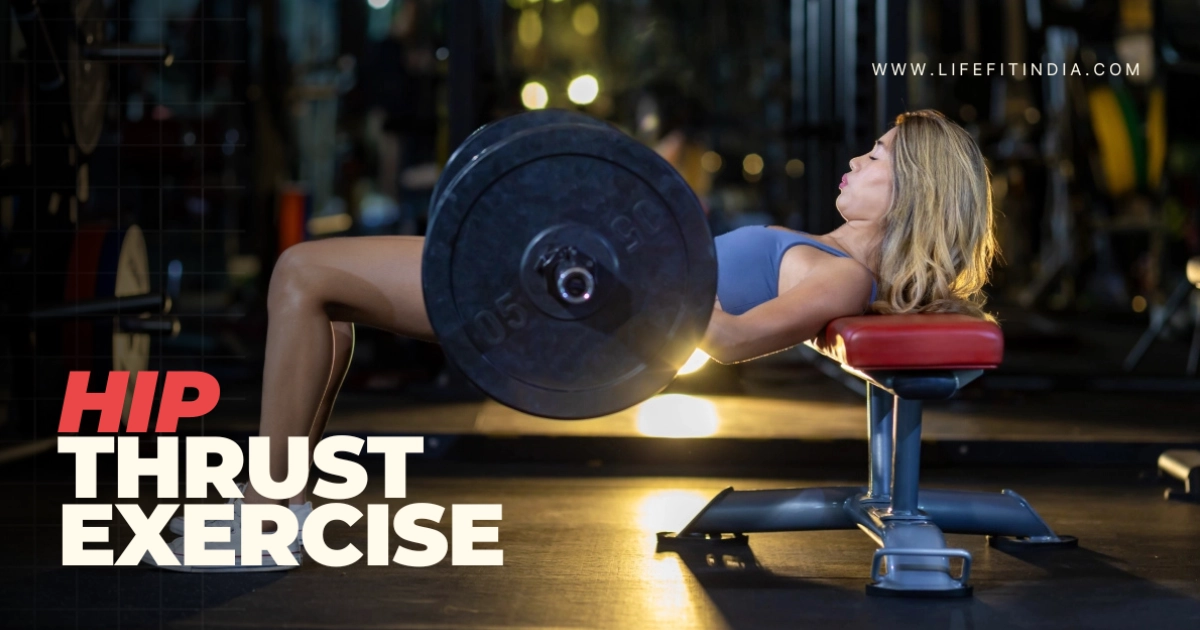
If your main goal is glute strength and muscle growth, start with exercises that let you apply more load over time, such as hip thrusts, glute bridges, squats, split squats, and deadlift variations. If your focus is better hip control, balance, or activation, include slower and more targeted movements that help you feel the glutes working without relying only on heavy weight.
Use More Than One Movement Pattern
A well-rounded glute routine usually includes a mix of bridge or thrust patterns, squat or lunge patterns, hinge patterns, and abduction-based work. This helps you train the glutes from different angles and avoids making your progress depend on only one type of movement.
Balance Compound and Isolation Work
Compound exercises are useful for building overall strength and loading the glutes alongside other lower-body muscles. Isolation exercises are helpful when you want to place more direct focus on the glutes, improve mind-muscle connection, or add extra work without depending only on big lifts. Using both usually creates a more complete glute program.
Match Your Equipment and Setup
You can train your glutes effectively with bodyweight, resistance bands, dumbbells, barbells, cables, and machines. The best choice is the one that fits your training environment and allows you to use good form, control the movement, and progress consistently over time.
Use the guides above to choose glute exercises that match your goal, equipment, and experience level, then build your routine around a small mix of strength-focused, stability-focused, and targeted glute movements.