Dumbbell Exercises for Muscle and Strength

Explore dumbbell exercises for muscle and strength with beginner-to-advanced form guides, muscles worked, benefits, and variations for upper body, lower body, and full-body training.

Use the filters below to narrow the exercise library and find the right exercises faster.

Popular Exercises

Start with some of the most-read guides in this section before browsing the full collection.

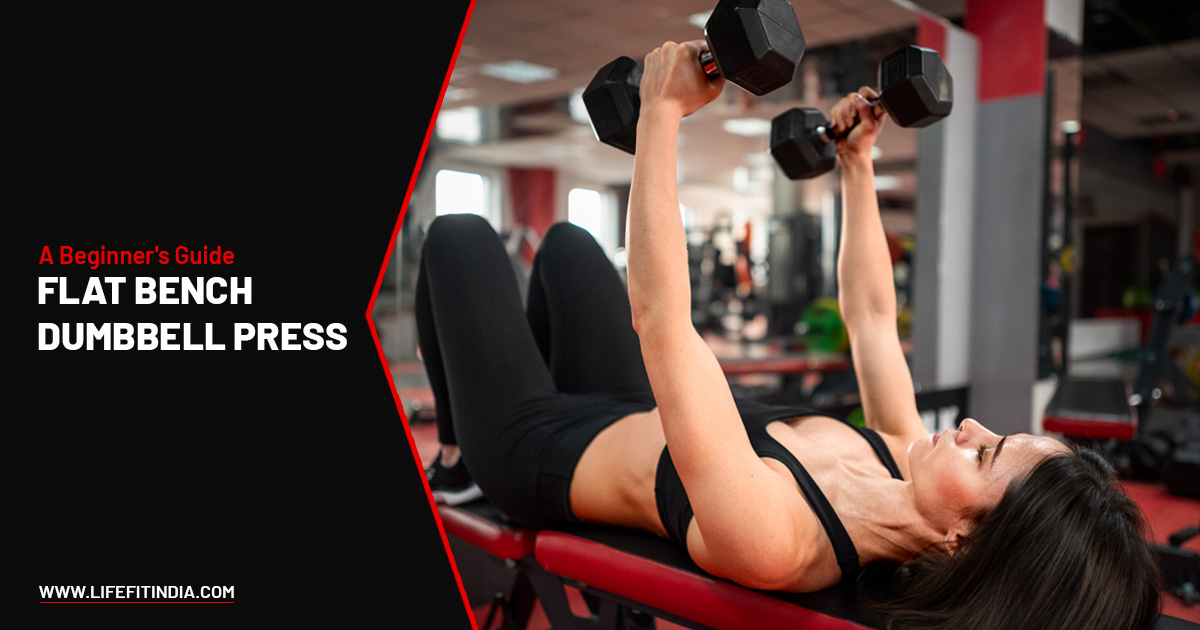
Man performing flat bench dumbbell press exercise with proper form on a weight bench – LIFE FIT exercise guide
Jan 02, 2025
Equipment Dumbbell
Type Compound
Level Beginner

Dumbbell Bench Press Exercise Guide

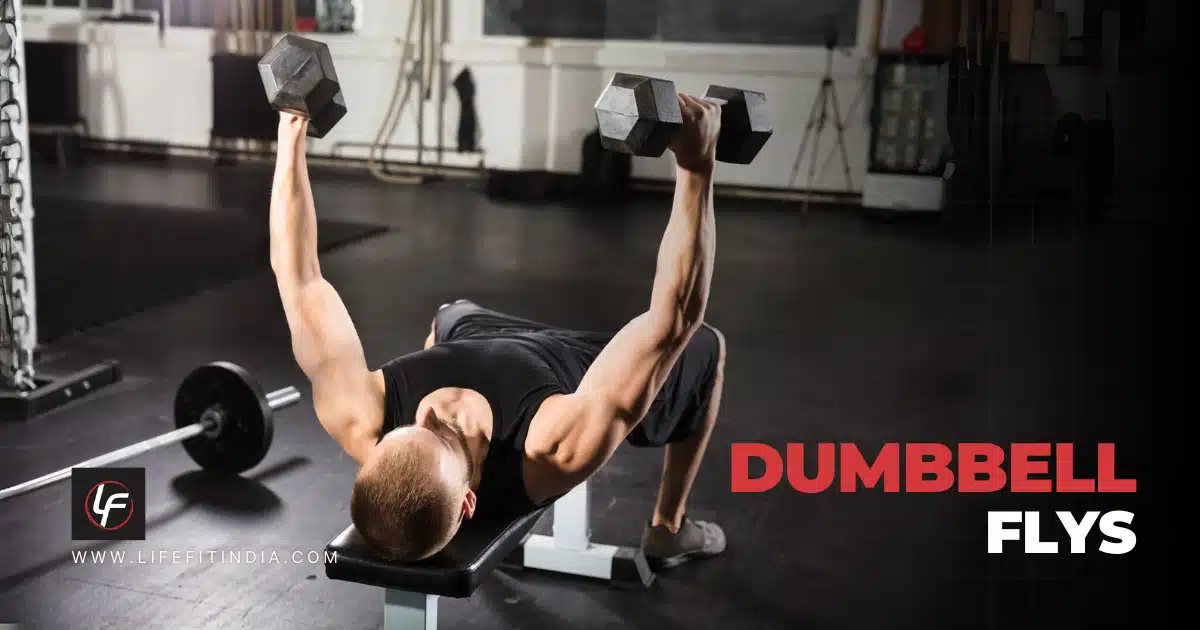
Man performing dumbbell flys on a flat bench targeting chest muscles for optimal growth with proper form
May 02, 2025
Equipment Dumbbell
Type Isolation
Level Intermediate

Dumbbell Flys Exercise Guide: Form, Variations & Chest Growth

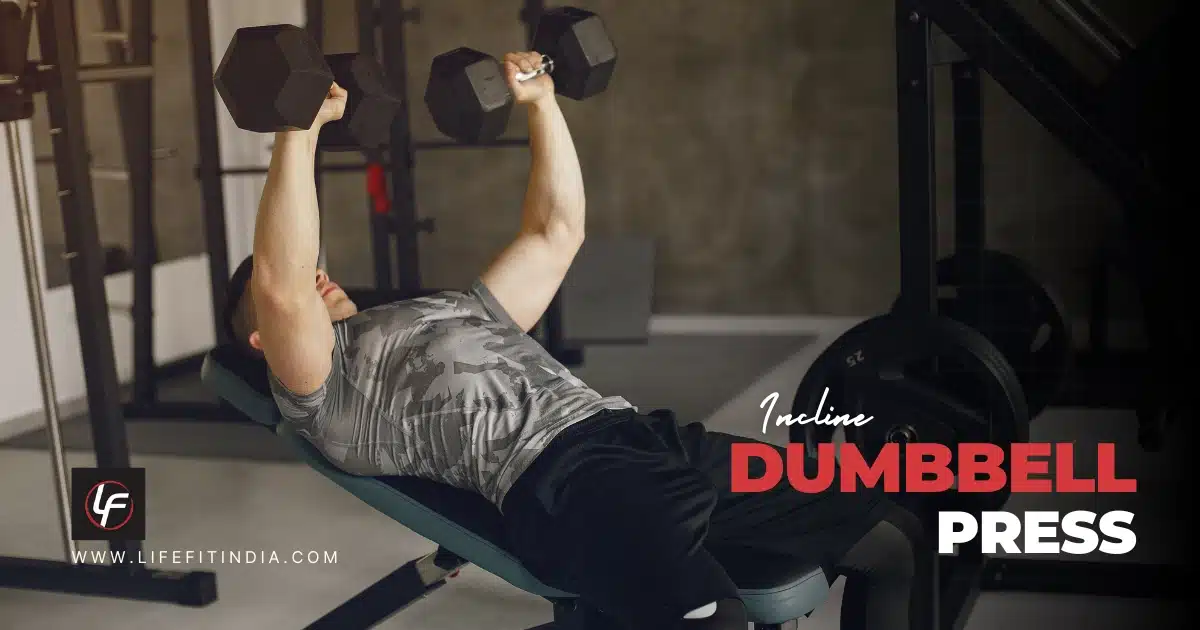
Man performing incline dumbbell press on adjustable bench targeting upper chest muscles at LIFE FIT gym
May 01, 2025
Equipment Dumbbell
Type Compound
Level Intermediate

Incline Dumbbell Press Exercise Guide: Form, Muscles & Mistakes

Exercise Library

More Dumbbell Exercises

Showing 0 additional exercise guides from a total of 5

No posts published yet. Check back soon!

Dumbbell Training Guide

How to Use Dumbbell Exercises for Muscle, Strength, and Better Full-Body Training

Dumbbell exercises are one of the most practical ways to build muscle and strength because they work in both home and gym workouts, support a wide range of movement patterns, and allow each side of the body to work more independently. They can be used for upper-body, lower-body, and full-body training, making them a strong option for beginners learning basic lifting patterns and for experienced lifters who want more exercise variety, better control, and balanced development.

Why dumbbell exercises work so well

Dumbbells are effective because they can be used for both compound and isolation exercises while allowing a more natural range of motion than many fixed machines. They also make unilateral training easier, which helps improve coordination, control, and side-to-side balance. For many people, dumbbell training is one of the simplest ways to build strength with minimal equipment.

How to choose the right dumbbell exercises

A balanced dumbbell routine should include a mix of upper-body, lower-body, and full-body exercises. Presses, rows, squats, lunges, Romanian deadlifts, curls, raises, and carries can cover most major movement patterns and muscle groups. The best exercise selection depends on your goal, but most people do well when they combine bigger compound lifts with a smaller number of more focused accessory movements.

How to progress with dumbbell training

Start with a weight you can control through the full range of motion with clean form. As you improve, progress by increasing weight, adding reps, slowing the tempo, improving stability, or moving to a more demanding variation. Dumbbell exercises often become more effective when the movement stays controlled instead of rushed, especially on presses, rows, lunges, and shoulder exercises.

Where dumbbell exercises fit best

Dumbbell exercises work well for muscle building, general strength, home workouts, and balanced full-body training. They are especially useful when you want flexible exercise options without needing a large number of machines, while still being able to train most major muscle groups with progressive resistance.


Dumbbell Exercise FAQs

Common Questions About Dumbbell Exercises

These answers cover the questions people commonly have when choosing dumbbell exercises for muscle, strength, and more effective full-body training.

Dumbbell exercises are strength exercises performed with one dumbbell in each hand or a single dumbbell, depending on the movement. They can be used for upper body, lower body, core, and full-body training.
Yes. Dumbbell exercises are often beginner-friendly because they can be scaled more easily than many barbell lifts and can be used for simple movement patterns such as presses, rows, squats, lunges, and carries.
Yes. Dumbbell exercises can be very effective for muscle growth when you use enough resistance, train consistently, and apply progressive overload over time.
Yes. A well-planned dumbbell workout can train the chest, back, shoulders, arms, legs, and core, which makes dumbbells one of the most versatile tools for full-body strength training.
Not automatically. Dumbbells and barbells both have value. Dumbbells are often better for range of motion, unilateral work, and flexible home workouts, while barbells are usually better for loading very heavy compound lifts.
Choose a weight that lets you complete the exercise with control and good form while still making the last few reps feel challenging. If your form breaks down early, the weight is probably too heavy.
Yes. Dumbbells can support home strength training very well because they can be used for presses, rows, squats, hinges, lunges, carries, and many accessory movements without requiring much space.
Yes. Compound dumbbell exercises help train more muscle groups in fewer movements, while isolation exercises help you focus more directly on a specific muscle. Using both usually creates a more balanced routine.