


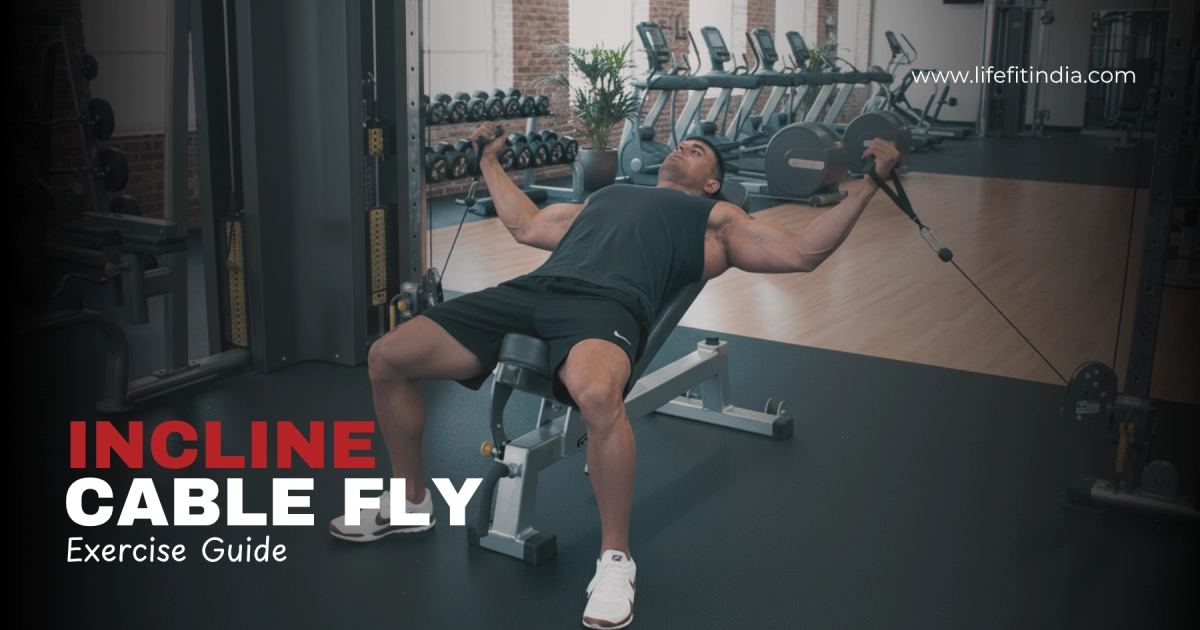
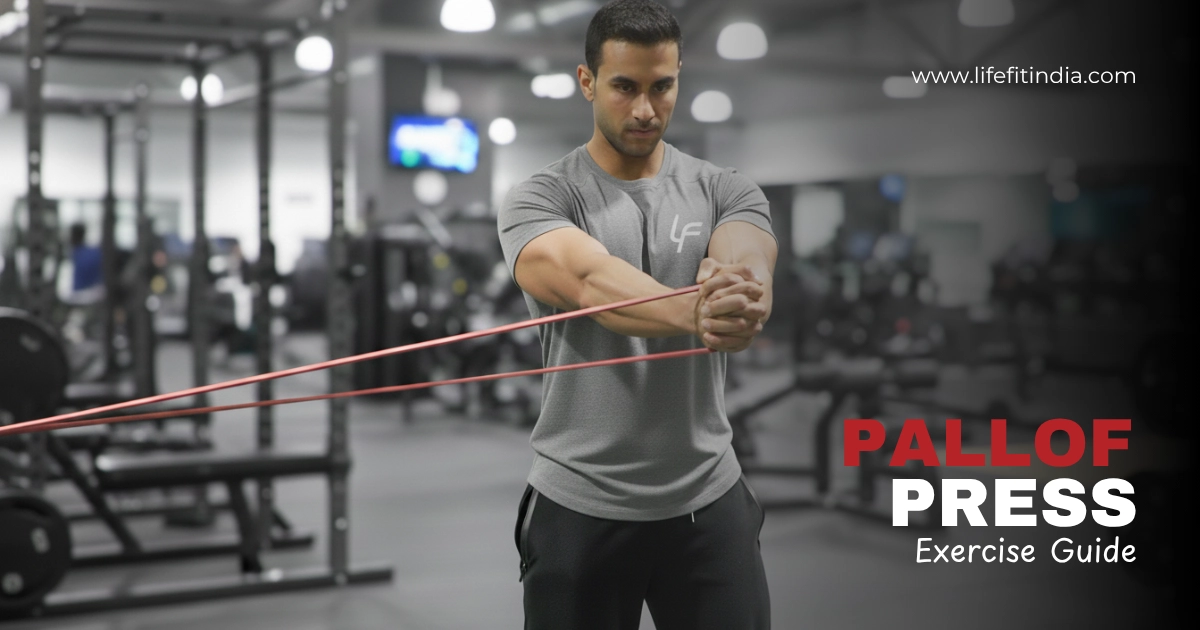
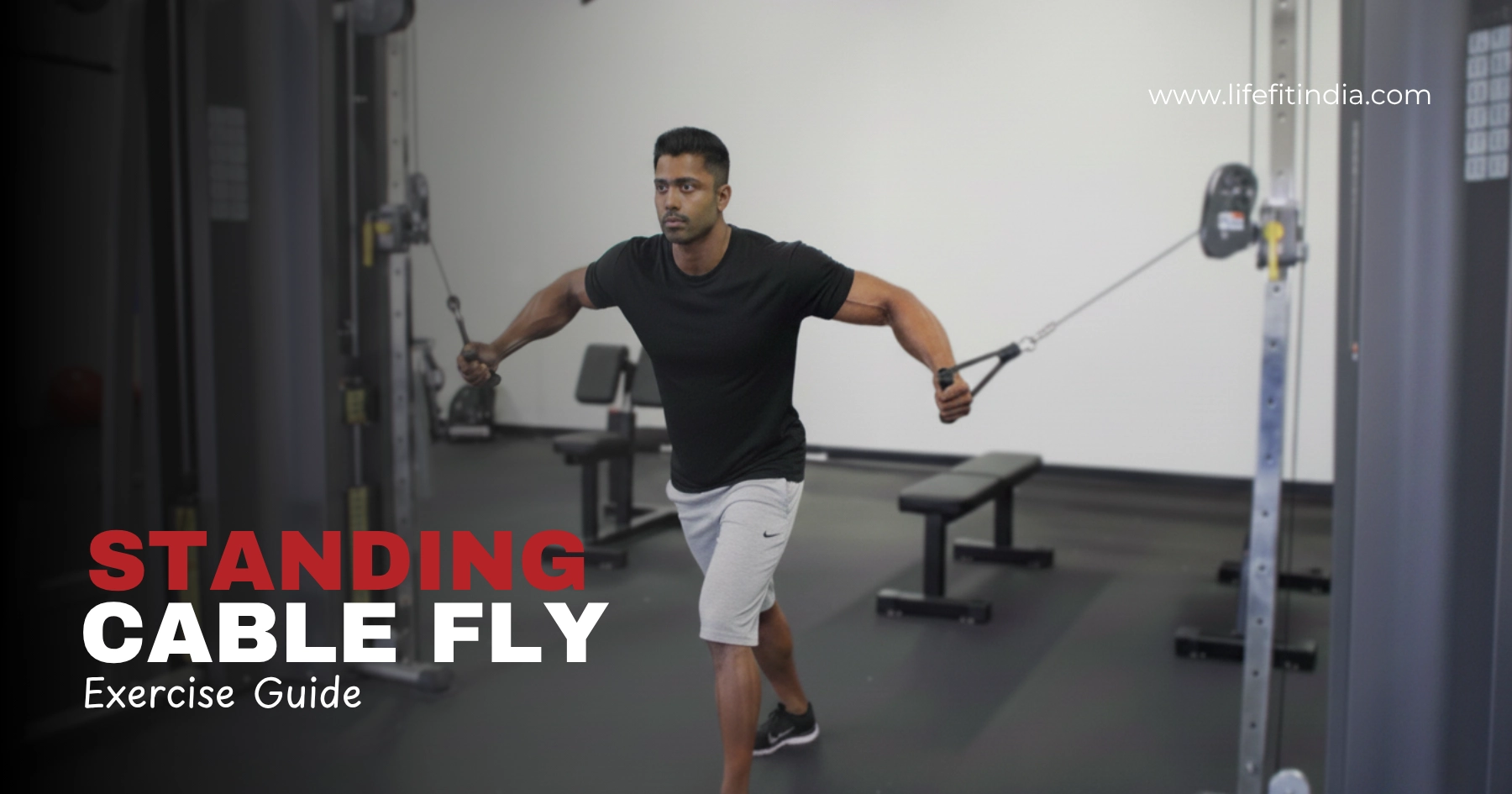
Cable Exercises for Muscle and Strength

Explore cable exercises for muscle and strength using cable machines for chest, back, shoulders, arms, and core. Browse form guides, muscles worked, benefits, and exercise variations to train with better control and constant tension.

Use the filters below to narrow the exercise library and find the right exercises faster.

Popular Exercises

Start with some of the most-read guides in this section before browsing the full collection.

Exercise Library

More Cable Exercises

Showing 0 additional exercise guides from a total of 5

No posts published yet. Check back soon!

Cable Training Guide

How to Use Cable Exercises for Muscle, Strength, and Better Training Control

Cable exercises are popular because they combine smooth resistance with constant tension, making it easier to keep a muscle working through the full range of motion. They can be used to train chest, back, shoulders, arms, and core with more control than many free-weight movements, which is why cable machines work well for both beginners learning technique and experienced lifters chasing muscle growth.

Why cable exercises feel different

A cable machine changes the way resistance is applied during an exercise. Instead of relying on gravity alone, the pulley keeps tension on the target muscle from start to finish. That makes cable exercises useful for controlled reps, cleaner contractions, and movements where you want to adjust the angle of pull more precisely than you could with dumbbells or barbells.

How to choose the right cable exercises

A strong cable workout usually includes both compound and isolation movements. Rows, pulldowns, presses, and some standing cable patterns help train more than one muscle group at a time, while flyes, lateral raises, curls, pushdowns, and crunch variations help you focus more directly on one area. The most balanced cable routines combine both, so you can build strength while still giving extra attention to specific muscles.

How to get more from the cable machine

Small setup changes make a big difference with cable exercises. Pulley height, handle choice, body position, and stance can all change the line of pull and the training effect. Start with a load you can control, move through a full range of motion, and keep your torso stable instead of using momentum. Once the movement feels solid, progress by adding weight, increasing reps, slowing the tempo, or using a harder variation.

Where cable exercises fit best

Cable exercises work especially well when you want more control, more consistent tension, and more exercise variety in one station. They can be used for focused muscle-building work, full-body training, upper-body sessions, core work, and beginner-friendly gym workouts without needing a large number of different machines.

Cable Exercise FAQs

Common Questions About Cable Exercises

These quick answers cover the questions people usually have when choosing cable exercises for strength, muscle, and more effective gym training.

Cable exercises are strength exercises performed on a cable machine using adjustable pulleys and different attachments. They can be used to train chest, back, shoulders, arms, core, and even lower-body muscles depending on the setup.
Yes. Cable exercises can be very effective for muscle growth because they keep tension on the target muscle throughout the movement and allow you to train from different angles with good control.
Not automatically. Cable exercises and free weights both have value. Cables are often better for controlled tension, setup variety, and isolation work, while free weights usually challenge stability and coordination more. Many strong training plans use both.
Cable exercises can be used for chest, back, shoulders, biceps, triceps, and core, and they can also be adapted for glutes, legs, and full-body training depending on the pulley height and attachment.
Yes. Many cable exercises are beginner-friendly because the machine offers a controlled path of resistance and lets you make smaller setup changes. They are often easier to learn than more technical free-weight movements.
Choose the attachment that matches the movement and the position you need. Rope handles usually work well for pushdowns, face pulls, and crunches, while single handles, straight bars, or D-handles are often better for presses, rows, flyes, and curls.
Cable exercises can feel harder because the tension stays more consistent through the rep. Even when the load is lighter than a barbell or dumbbell exercise, the target muscle may spend more time working without much relief.
Yes. A cable machine can support a full workout by covering pushes, pulls, arm work, shoulder work, and core exercises in one place. With the right exercise selection, it can handle both focused sessions and full-body routines.