


Bodyweight Exercises for Home Workouts and Strength

Explore bodyweight exercises for home workouts, strength, core, and full-body training. Browse beginner to advanced guides with proper form, muscles worked, and exercise variations for push-ups, planks, crunches, leg raises, dips, and more.

Use the filters below to narrow the exercise library and find the right exercises faster.

Popular Exercises

Start with some of the most-read guides in this section before browsing the full collection.

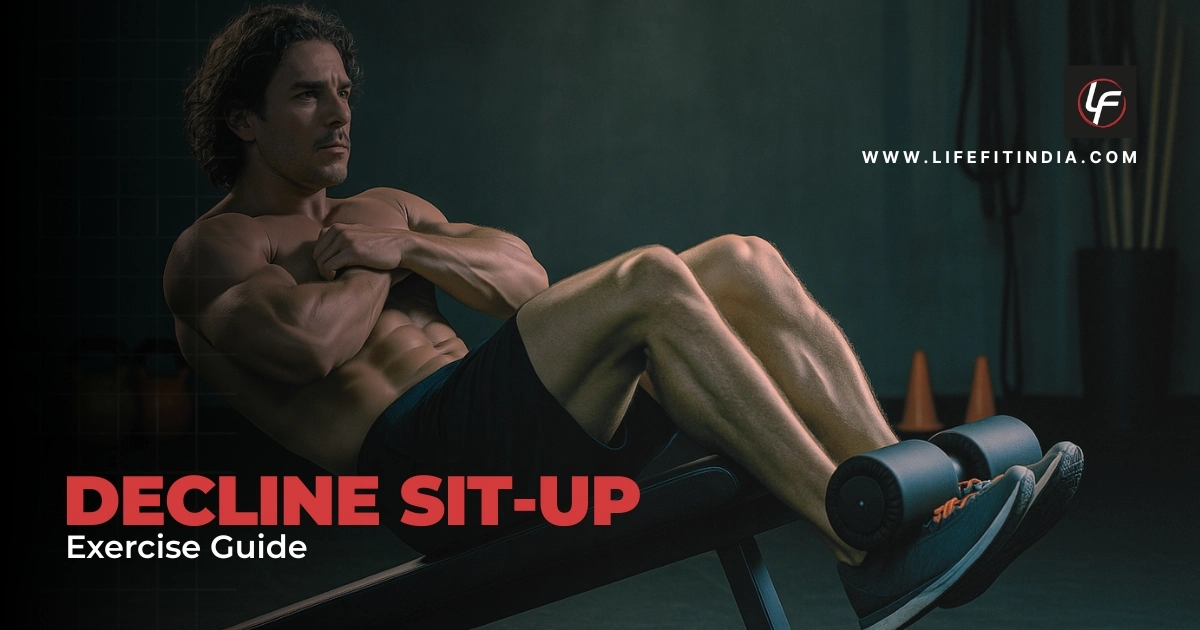
Man performing a decline sit-up on an adjustable bench demonstrating proper form for core strengthening exercise
Jul 25, 2025
Equipment Bodyweight
Type Isolation
Level Intermediate

Decline Sit-Ups: The Ultimate Guide to Form, Benefits, and Safety

Woman performing a side plank exercise on a fitness mat, demonstrating proper form for core strength and stability
Oct 01, 2025
Equipment Bodyweight
Type Isolation
Level Beginner

Side Plank Exercise Guide: Build Core Strength and Stability

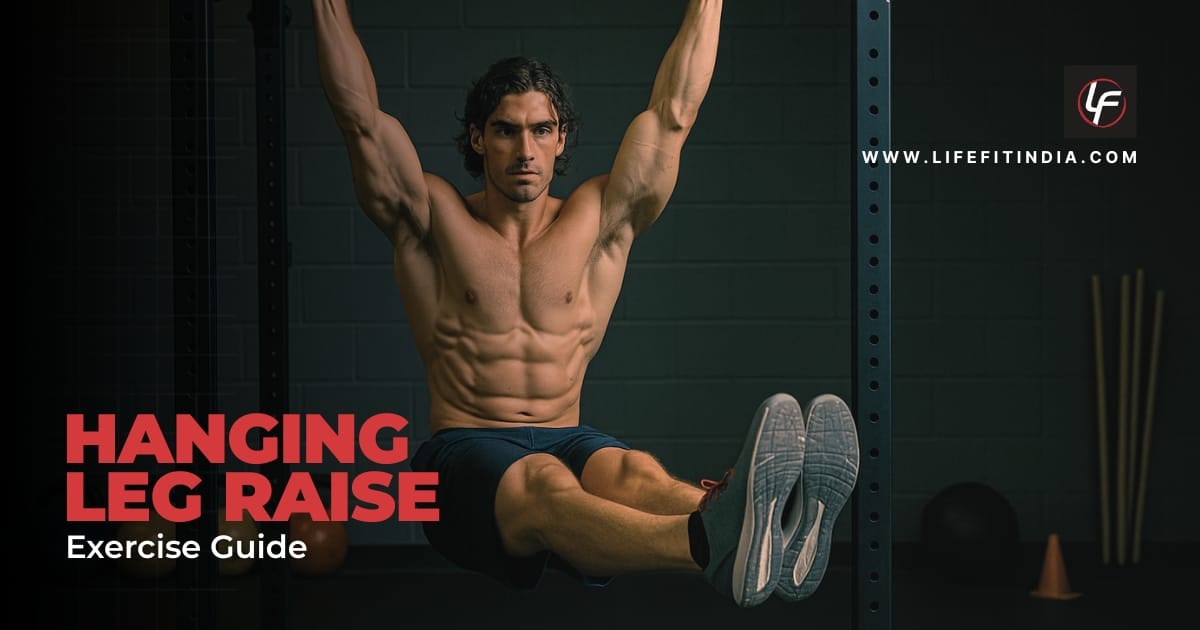
LIFE FIT hanging leg raise exercise for core strength and flexibility.
Jul 22, 2025
Equipment Bodyweight
Type Isolation
Level Intermediate

Hanging Leg Raise Exercise Guide: Perfect Form, Benefits & Variations

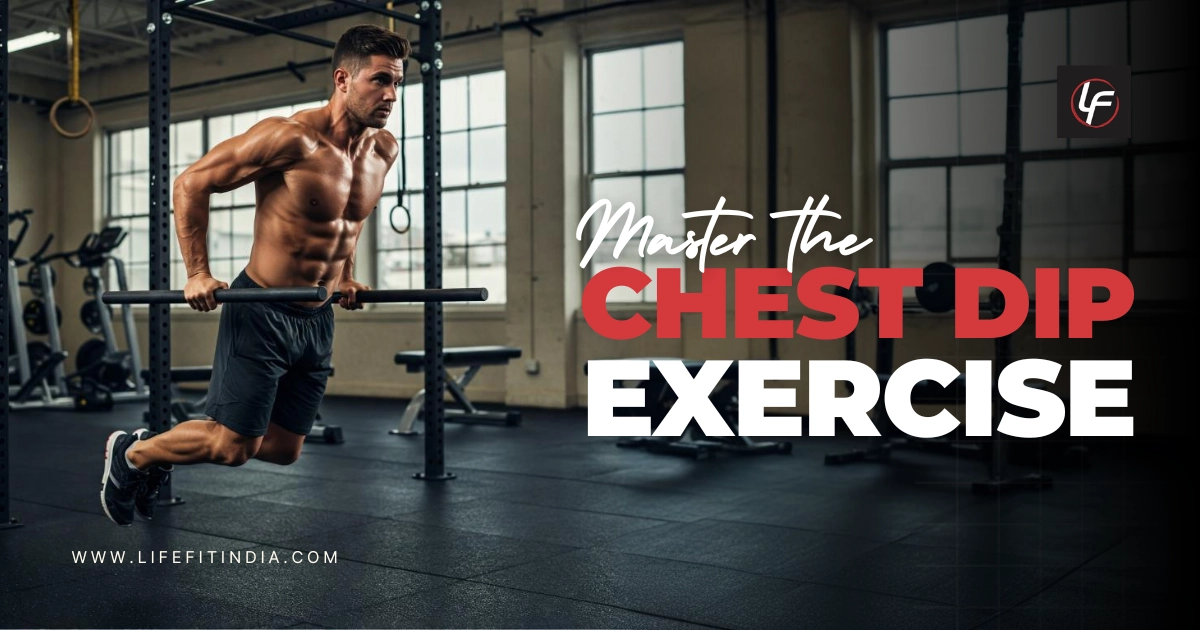
Man performing chest dips exercise with forward lean on parallel bars for lower chest development — LIFE FIT guide
Apr 21, 2025
Equipment Bodyweight
Type Compound
Level Intermediate

Mastering the Chest Dips Exercise: Your Complete Guide

Man demonstrating correct sit-up form for LIFE FIT's evidence-based guide.
Jul 01, 2025
Equipment Bodyweight
Type Isolation
Level Beginner

The Ultimate Evidence-Based Guide to the Sit-Up Exercise

Exercise Library

More Bodyweight Exercises

Showing 6 additional exercise guides from a total of 12

Bodyweight Training Guide

How to Use Bodyweight Exercises for Strength, Muscle, and Better Home Workouts

Bodyweight exercises are one of the simplest ways to build strength, improve control, and stay consistent with training at home or while traveling. They work well for beginners learning movement quality and for more advanced trainees using harder variations, slower tempos, longer ranges of motion, and higher training density.

Train the Main Movement Patterns

A strong bodyweight routine should cover more than one type of movement. Push-up variations can help train the chest, shoulders, and triceps. Planks, leg raises, crunches, and anti-rotation exercises can improve core strength and control. Squats, lunges, glute bridges, and single-leg variations can help build lower-body strength, balance, and stability.

Progress by Making the Exercise Harder

The best way to improve with bodyweight exercises is to make each movement more demanding over time. That can mean adding reps, slowing the lowering phase, pausing in the hardest position, reducing rest time, increasing range of motion, or moving to a more difficult variation. A beginner might start with incline push-ups and progress to full push-ups, tempo reps, and harder variations as control improves.

Build a Routine That Fits Your Setup

If you are training at home, choose bodyweight exercises that match your current level, your available space, and your goal. Start with movements you can perform with clean form, train them consistently, and progress gradually. A well-structured bodyweight routine can support strength, muscle development, core stability, and conditioning without requiring a full gym setup.

Why bodyweight training works

Bodyweight exercises are effective because they can be scaled for different levels and repeated consistently without needing much equipment. When you combine upper-body, lower-body, and core work in the same plan, bodyweight training becomes a practical long-term option for strength and home workouts.

Exercise FAQs

Frequently Asked Questions About Bodyweight Exercises

Use these quick answers to understand how bodyweight exercises work, how to progress them, and how to build a stronger home workout routine.

Bodyweight exercises are movements that use your own body as the main source of resistance. Common examples include push-ups, planks, squats, lunges, dips, crunches, and leg raises.
Yes. Bodyweight exercises can improve strength, control, stability, and muscular endurance when you train consistently and progress the difficulty over time.
They can. Muscle growth depends on training hard enough, progressing over time, and recovering well. More challenging variations, slower reps, added volume, and better exercise selection can make bodyweight training more effective for muscle building.
Yes. Bodyweight training is one of the best starting points for beginners because many exercises can be scaled more easily than weighted gym movements. Simpler variations help build form, coordination, and confidence first.
Not always. Many bodyweight exercises need no equipment at all, which is why they are popular for home workouts. Some advanced movements may use bars, benches, or dip stations, but a strong routine can still be built with little or no equipment.
You can increase reps, slow the tempo, add pauses, reduce rest, increase range of motion, or move to a harder variation. Progression is what turns basic bodyweight exercises into a long-term training method.
The best options usually include push-ups, squats, lunges, glute bridges, planks, side planks, crunches, leg raises, and other movements that train the upper body, lower body, and core without needing much space.
That depends on your goal, recovery, and training level, but most people do well with bodyweight training two to five times per week. A balanced routine with enough recovery is usually more effective than doing the same exercises every day.