

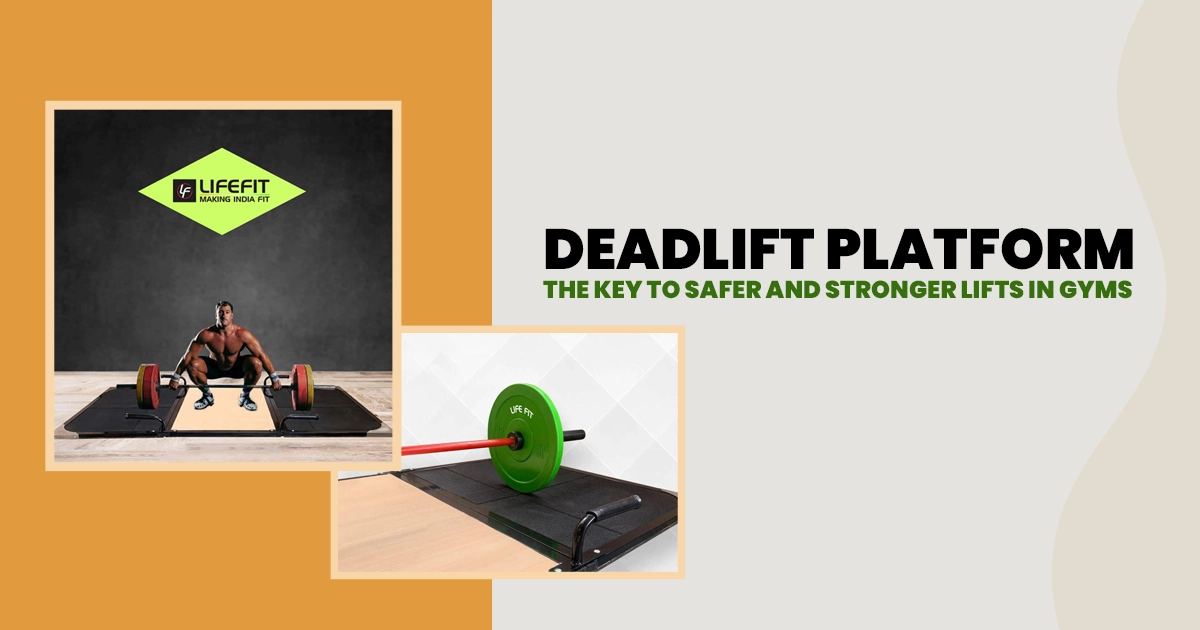
Creating a safe and efficient workout environment is crucial for any gym. Among the essential equipment that can enhance performance and protect your facility, a deadlift platform stands out. Whether you have a commercial gym or a fitness studio, incorporating a high-quality deadlift platform can significantly benefit both your clients and your gym space.
In this blog, we’ll explore the importance of deadlift platforms in gym settings, their benefits, and why the LIFE FIT Deadlift Platform is a smart investment for your facility.
Benefits of Using a Deadlift Platform in Gyms
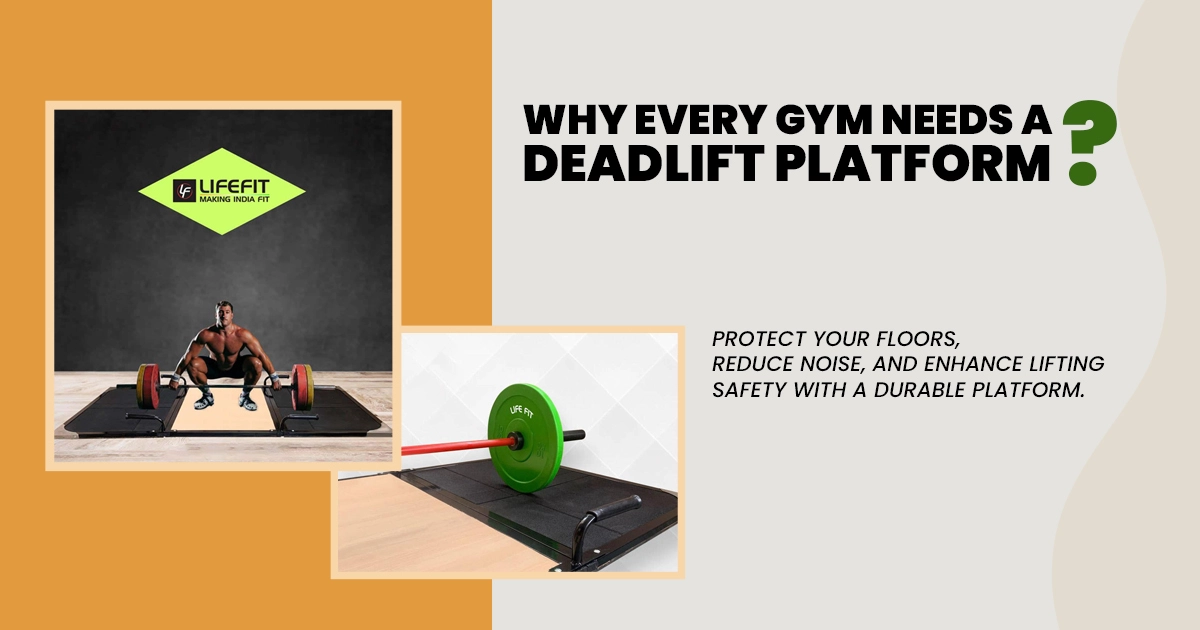
Investing in a deadlift platform offers several advantages that enhance the workout experience for your gym members:
1. Protects Floors and Equipment
Deadlifts involve lifting heavy weights, which can cause significant damage to floors if dropped. A dedicated deadlift platform provides a durable surface that absorbs impact, preventing wear and tear on gym flooring and protecting your equipment.
2. Reduces Noise and Vibration
Lifting heavy weights often results in loud sounds when weights hit the ground. A deadlift platform minimizes noise and vibration, creating a more pleasant workout environment for all members, especially in shared spaces.
3. Provides Stability for Better Form
A well-designed deadlift platform offers a stable, non-slip surface, allowing gym-goers to maintain proper form. This stability helps reduce the risk of injury and promotes safe lifting practices.
4. Versatile for Multiple Exercises
Deadlift platforms aren’t just for deadlifts. They can also be used for other barbell exercises such as rows, shrugs, and cleans. Their multifunctionality makes them a valuable addition to any gym.
How a Deadlift Platform Enhances Lifting Performance
Proper form and balance are crucial during deadlifts. A deadlift platform provides a firm, level surface for lifters, helping them position their feet correctly and maintain stability. This leads to improved posture and allows for heavier lifts without compromising safety.
The platform’s shock absorption capabilities also mean members can focus on their lifts without worrying about damaging the facility or equipment, leading to a more effective training session.
Key Features to Look for in a Commercial Deadlift Platform
When selecting a deadlift platform for your gym, consider the following features to ensure it meets your needs:
Durable Construction: Choose platforms made from high-quality materials that can withstand heavy, repeated use.
Shock Absorption: Platforms should include padding to protect floors and reduce noise during heavy lifts.
Non-Slip Surface: A textured surface is essential for safety, ensuring lifters have a secure grip.
Size and Stability: Ensure the platform is large enough to accommodate various lifts and provide a stable base for all users.
Setting Up Your Deadlift Platform in the Gym
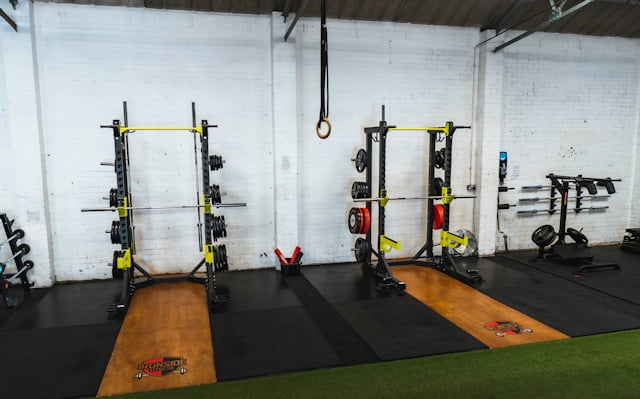
When incorporating a deadlift platform into your gym, choose a location that provides enough space for members to lift comfortably. Ensure it’s on a flat surface and consider padding around the area for added safety. This strategic placement will make it easy for gym-goers to access the platform and integrate it into their routines.
Why a Commercial-Grade Deadlift Platform Matters for Gyms
Choosing the right deadlift platform is important for maintaining safety, performance, and long-term durability in a gym environment. A commercial-grade platform should be built to handle repeated heavy lifts while protecting flooring and reducing noise and vibration. Features like solid construction, effective shock absorption, and a non-slip surface help create a safer lifting area for members at all experience levels.
Platforms designed for commercial use, such as the LIFE FIT Deadlift Platform, is examples of equipment built to meet these demands. They are engineered to support heavy barbell training while maintaining stability and floor protection over time. When selecting a platform, gym owners should focus on build quality, size, and material strength to ensure it fits their space and usage requirements rather than choosing based on branding alone.
The right platform is one that supports consistent training, protects the facility, and integrates smoothly into the overall gym layout.
FAQs
A thickness of around 1.5 to 2 inches is ideal for commercial gym use, ensuring enough protection and stability during heavy lifts.
While DIY platforms can be made from plywood and rubber mats, investing in a professionally made platform guarantees durability and safety for your gym environment.
Yes, a deadlift platform is highly recommended for any gym that offers strength training. It enhances safety, protects the facility, and improves the lifting experience for all members.
Conclusion
A deadlift platform plays an important role in creating a safe and efficient lifting area within a gym. By protecting flooring, reducing noise, and providing a stable surface, it supports proper technique and safer training for members of all experience levels. For gyms that prioritize strength training, a well-built platform helps maintain the facility while improving the overall lifting environment.
When choosing a deadlift platform, focusing on durability, stability, and suitability for regular heavy use ensures long-term value. Selecting the right platform allows gyms to support consistent training standards while maintaining a professional and well-organized workout space.