

Choosing the right commercial gym equipment is one of the most critical decisions for any fitness business. The quality, durability, and suitability of your equipment directly affect member experience, operational costs, and long-term profitability.
Whether you are launching a new gym, expanding an existing facility, or upgrading outdated machines, this guide explains how to evaluate commercial gym equipment based on business needs, usage demands, space planning, and long-term value.
Understanding Types of Commercial Gym Equipment
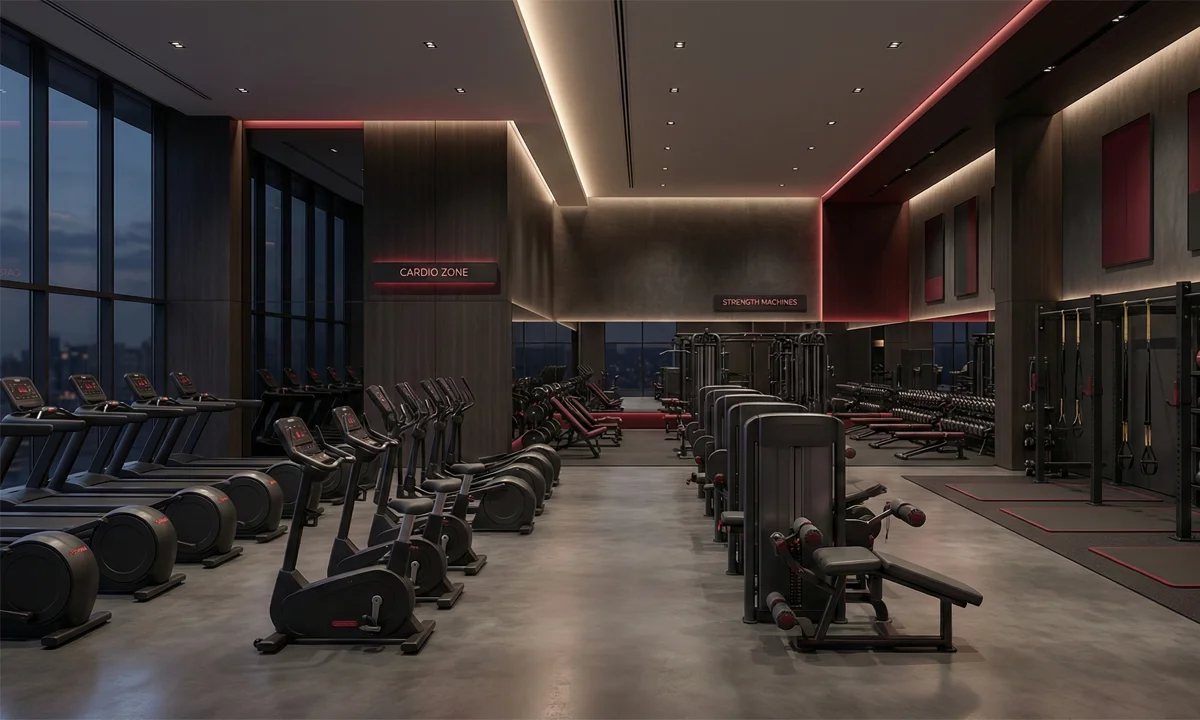
A well-equipped commercial gym should offer a balanced mix of machines that support different training goals and member preferences.
Cardio Equipment
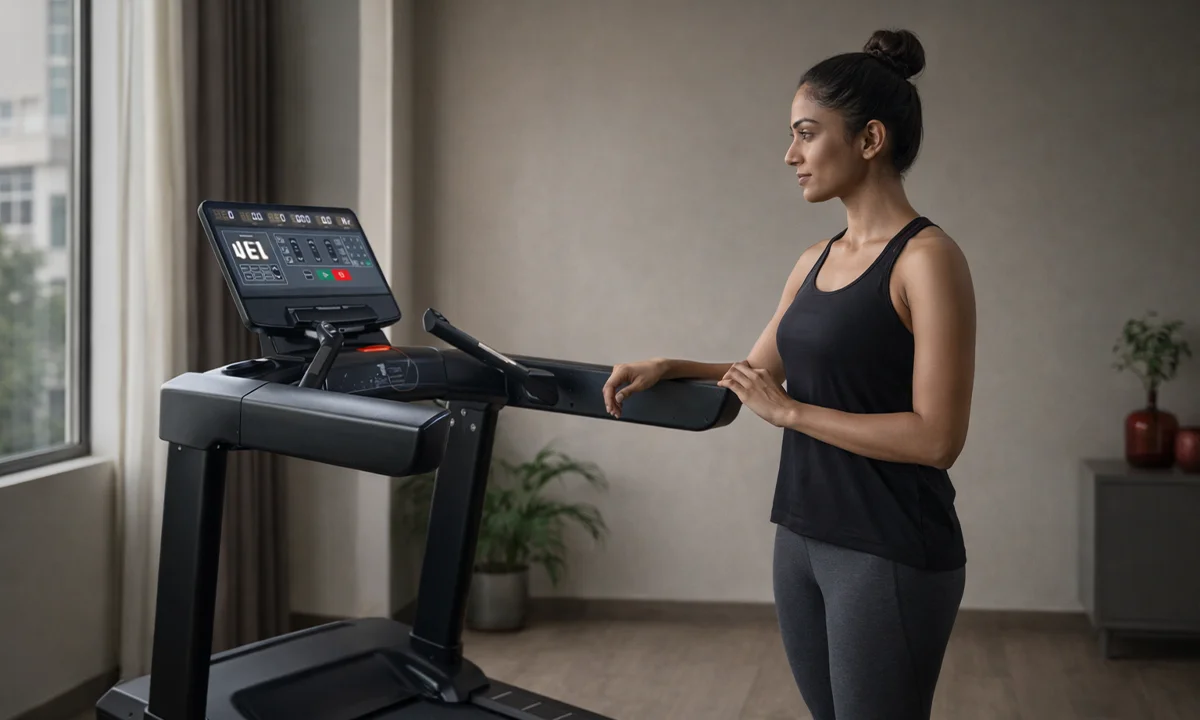
Cardio machines form the foundation of most gyms. Treadmills, elliptical trainers, stationary bikes, rowing machines, and stair climbers support cardiovascular endurance, weight management, and warm-up routines. These machines typically experience the highest daily usage and must be selected for durability and ease of maintenance.
Strength Training Equipment
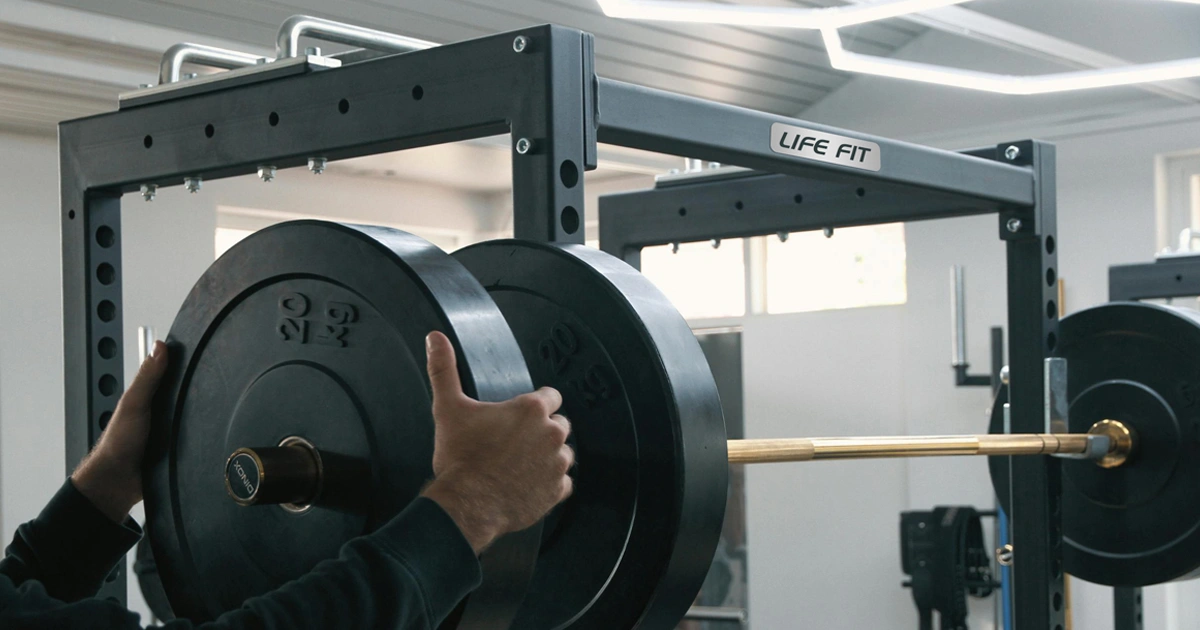
Strength equipment includes selectorized weight machines, plate-loaded machines, barbells, racks, and dumbbells. Commercial-grade strength equipment must handle heavy loads, repeated use, and varied user experience levels while maintaining safety and stability.
Functional Training Equipment
Functional training zones often include kettlebells, medicine balls, battle ropes, suspension trainers, and functional rigs. This equipment supports group training, athletic conditioning, and high-intensity workouts, making it popular in modern gyms and boutique studios.
Flexibility and Recovery Equipment
Mobility tools such as stretching stations, foam rollers, yoga mats, and resistance bands support recovery, injury prevention, and warm-down sessions. These items enhance overall gym usability and member satisfaction.
Assessing Your Fitness Business Needs
Before selecting equipment, clearly define your business model and audience.
Consider:
Whether your gym targets beginners, athletes, general fitness users, or specialized training.
Expected daily footfall and peak usage hours.
The mix of personal training, group classes, and independent workouts.
Available floor space and ceiling height.
Boutique studios may prioritize functional and compact equipment, while high-traffic commercial gyms require robust machines designed for continuous use.
Space Planning and Layout Considerations
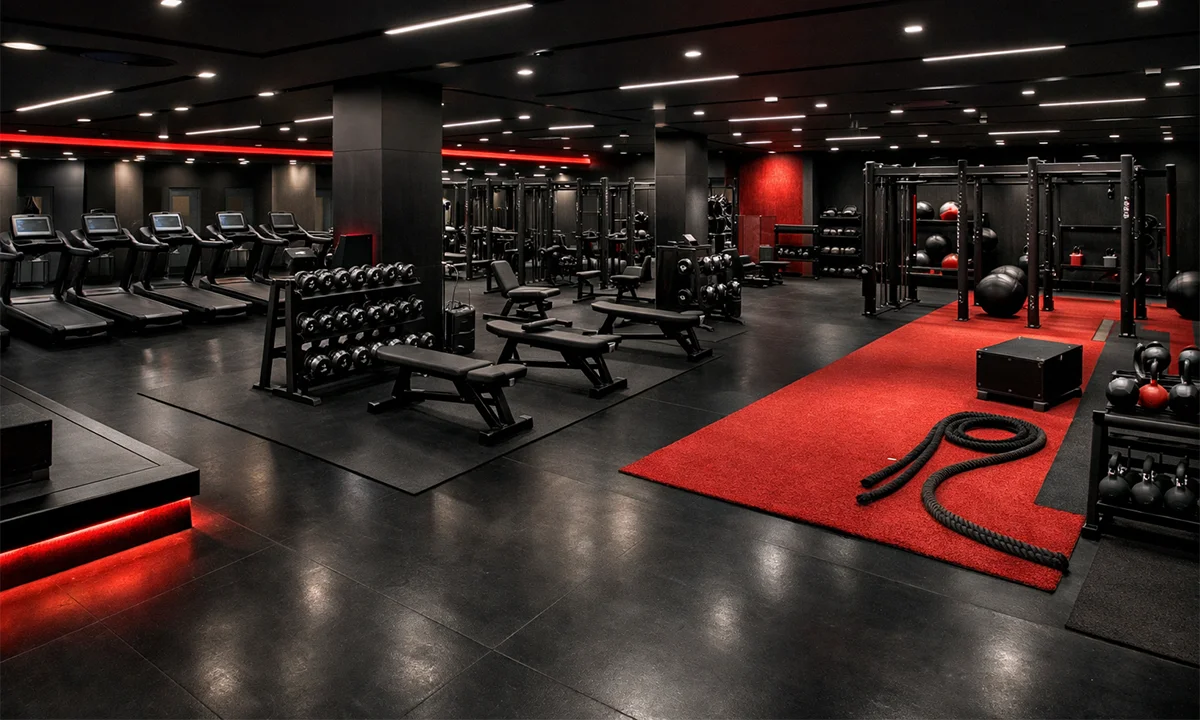
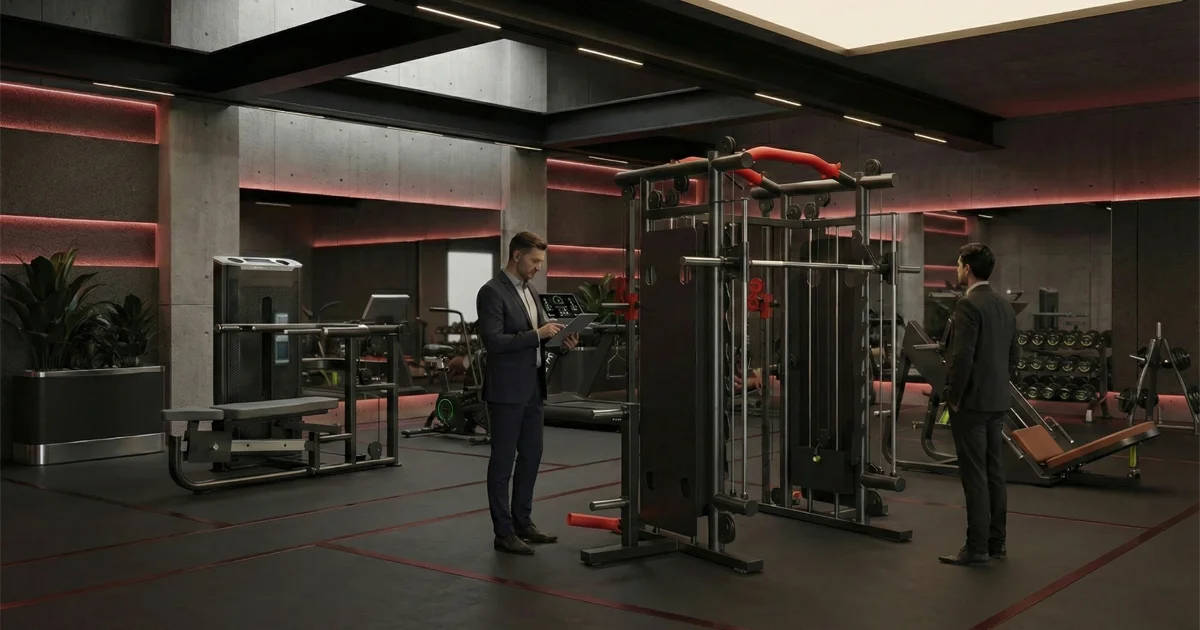
Proper equipment spacing improves safety, traffic flow, and user comfort. Machines should be arranged to allow free movement and easy access during peak hours.
Key layout factors include:
Clearance around cardio machines.
Dedicated zones for strength and functional training.
Visibility and supervision for high-risk equipment.
Ventilation and power requirements.
Efficient layout planning reduces congestion and enhances member experience.
Planning a gym? Get expert guidance in minutes
Discuss equipment selection, space planning, and budget with a commercial gym expert.

Budgeting for Commercial Gym Equipment
Budget planning should focus on long-term value rather than upfront cost alone.
Important budgeting considerations:
Allocate higher budgets to high-usage equipment.
Plan for maintenance, servicing, and spare parts.
Avoid overspending on rarely used machines.
Consider phased equipment purchases if needed.
Investing in durable equipment often reduces replacement and downtime costs over time.
Evaluating Quality and Durability
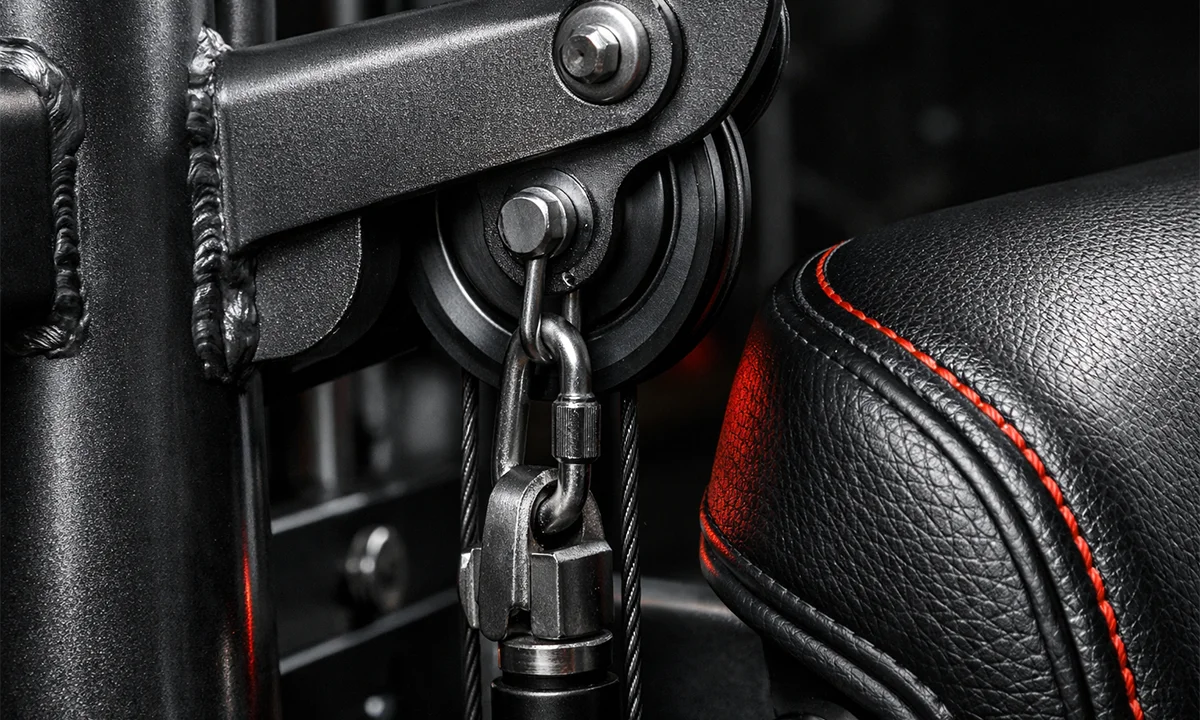
Commercial gym equipment must be built to withstand heavy and repeated use.
When evaluating quality:
Check frame thickness, weld quality, and finish
Test movement smoothness and stability
Ensure components such as cables, bearings, and upholstery are commercial-grade
Verify load ratings and safety features
Durability directly impacts operating costs and member safety.
Warranty, Service, and Maintenance Support
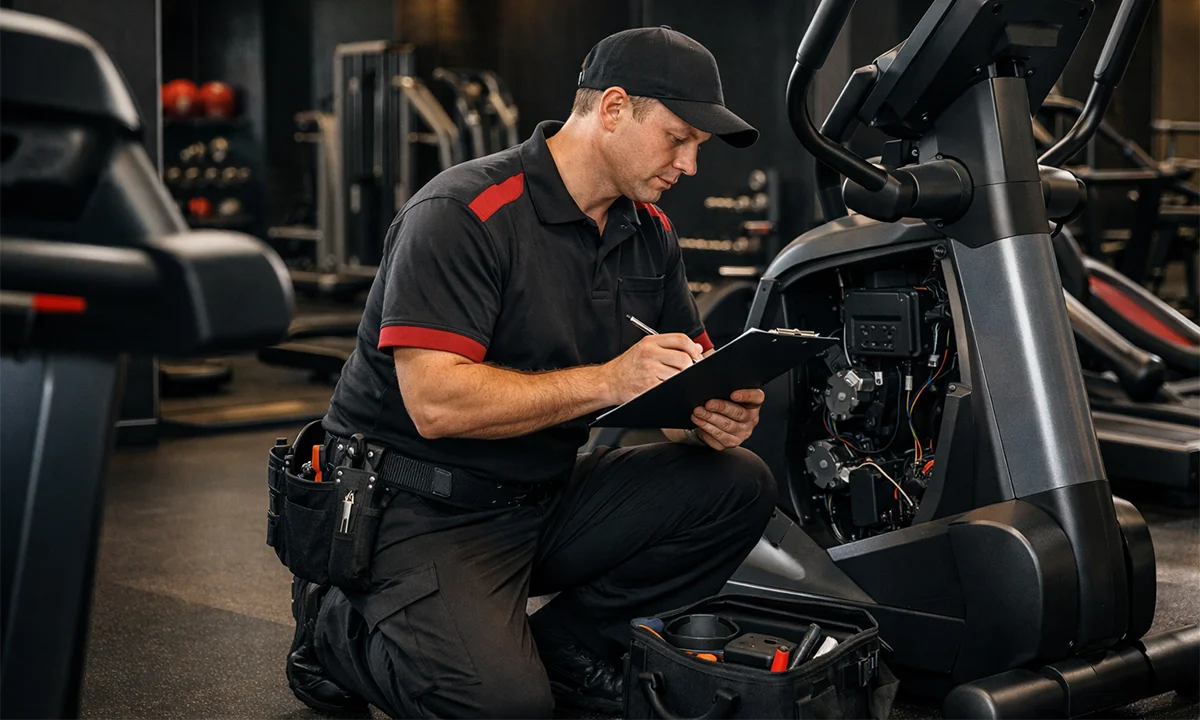
Strong after-sales support is essential for commercial gyms.
Before purchasing, confirm:
Warranty coverage on frame, parts, and electronics
Availability of local service support
Maintenance requirements and service intervals
Replacement part availability
Reliable service reduces downtime and protects your investment.
Researching Brands and Equipment Options
Thorough research helps avoid costly mistakes.
Effective research methods include:
Reading feedback from other gym owners
Visiting gyms using similar equipment
Comparing specifications and certifications
Requesting demonstrations or trials
Selecting proven equipment models minimizes risk.
Making the Final Purchase Decision
Before finalizing your purchase:
Review your equipment list against business goals
Confirm delivery, installation, and training support
Negotiate pricing, bulk discounts, and service packages
Plan equipment placement before arrival
A structured purchase process ensures smoother setup and faster operational readiness.
Get a customized commercial gym equipment plan
Share your details and our team will help you select the right equipment based on your space, budget, and business goals.
No spam • Expert guidance • Response within 24 hours
Frequently Asked Questions
Most gyms require cardio machines, strength training equipment, and functional training tools to serve diverse fitness needs.
Focus on compact, versatile equipment that supports group training and maximizes limited space.
Warranty and service support are critical to reduce downtime and protect long-term investment.
High-use machines should be inspected regularly, with scheduled servicing based on manufacturer guidelines.
Conclusion
Selecting commercial gym equipment is a strategic business decision that impacts member satisfaction, safety, and long-term profitability. By assessing your gym’s needs, planning space effectively, prioritizing durability, and evaluating service support, you can build a facility that performs reliably and grows with your business.
A thoughtful equipment selection process helps create a professional, efficient, and sustainable fitness environment.