

Cardiovascular training is a core part of any balanced fitness program. Whether in a commercial gym or a home setup, cardio gym equipment plays a key role in improving heart health, stamina, calorie expenditure, and overall endurance.
Modern gyms offer a wide range of cardio machines, each designed to support different fitness levels and training goals. This guide explains the most common types of cardio gym equipment, how they work, and how to choose the right machines for effective cardiovascular training.
Why Cardio Training Is Essential for Fitness
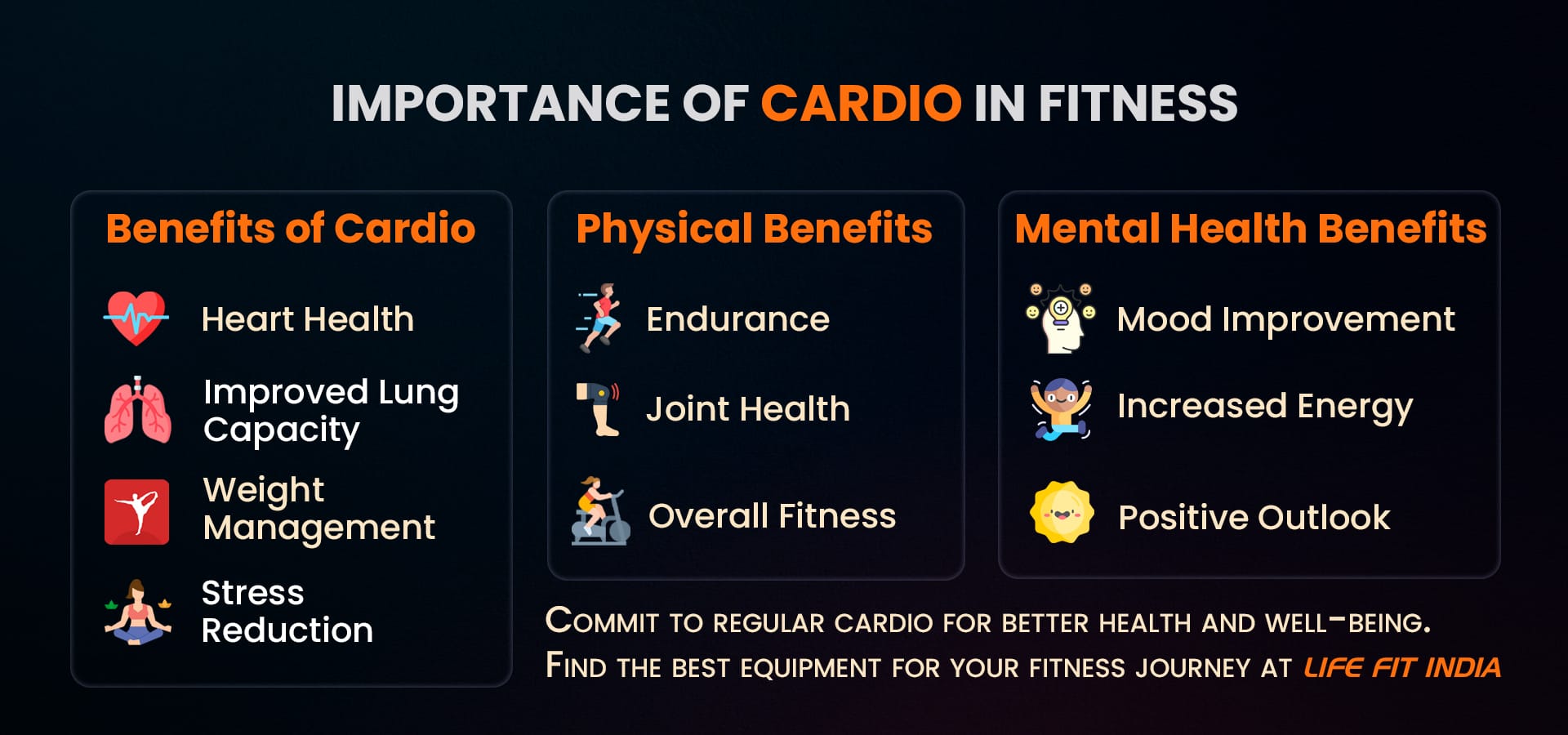
Cardio exercise strengthens the heart and lungs, improves oxygen delivery to muscles, and supports long-term metabolic health. Regular cardiovascular training helps manage body weight, improve energy levels, and reduce the risk of lifestyle-related conditions.
Beyond physical benefits, consistent cardio workouts are linked to improved mood, stress reduction, and better mental focus. For beginners and advanced trainees alike, incorporating cardio equipment into a routine helps maintain overall fitness balance.
Common Types of Cardio Gym Equipment
Cardio exercises can be performed in many ways, but gym equipment provides controlled, measurable, and repeatable training environments. Below are the most commonly used cardio machines found in gyms.
Treadmills
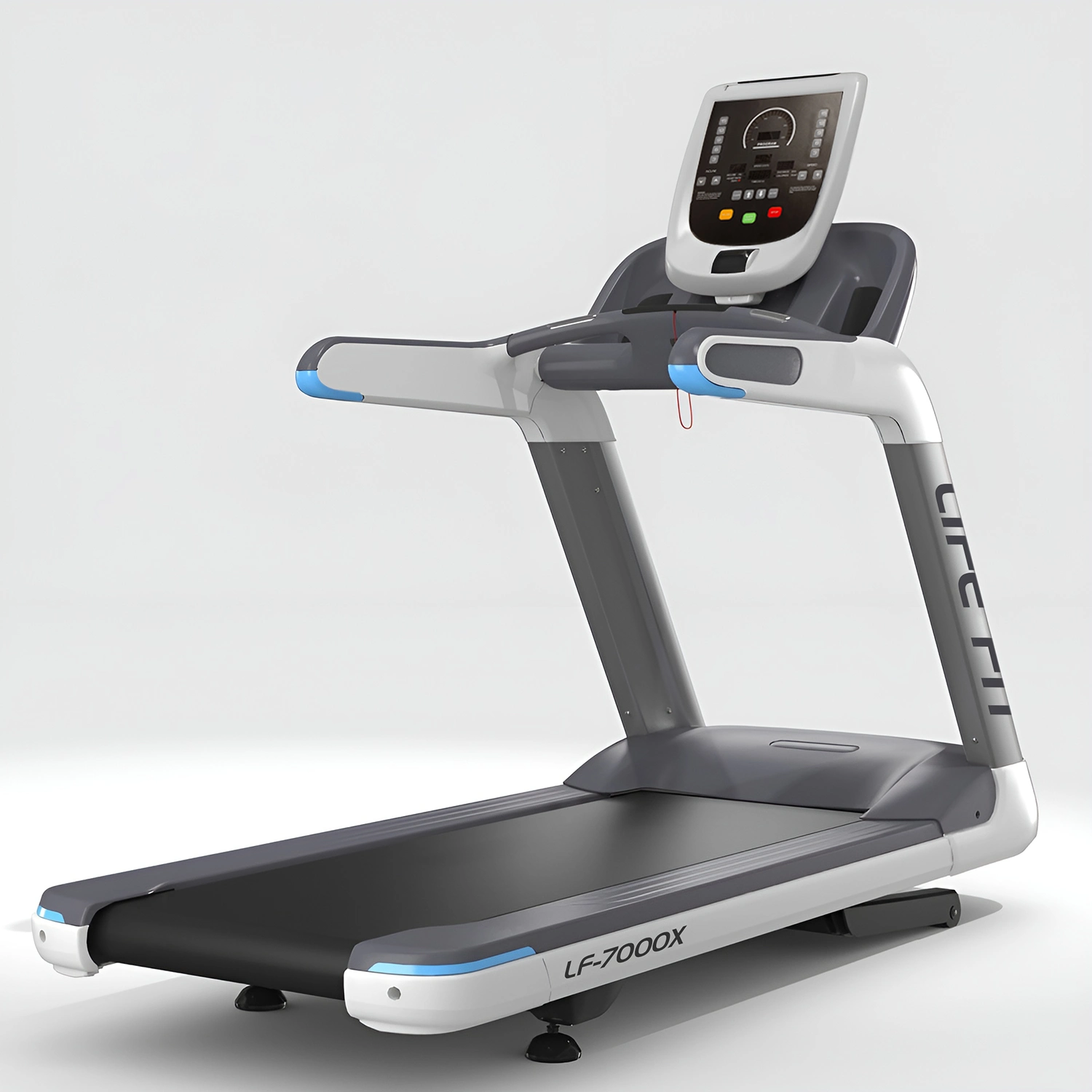
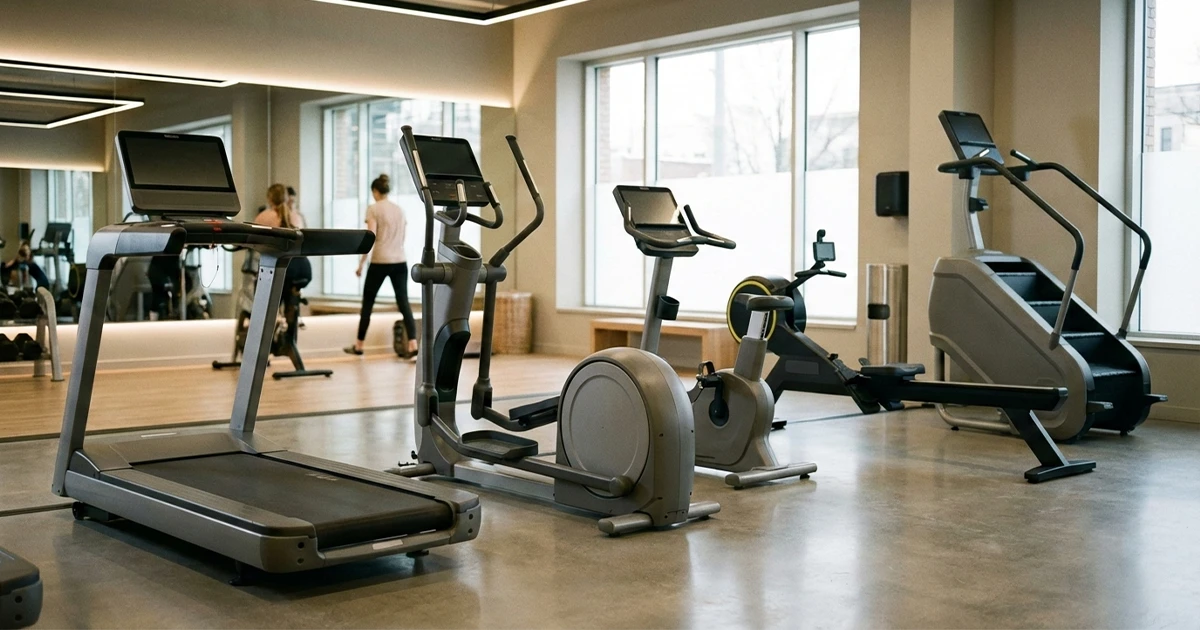
Treadmills are one of the most widely used cardio machines in gyms. They allow users to walk, jog, or run indoors with adjustable speed and incline settings.
Treadmills support endurance training, fat loss, and stamina building. Incline features increase workout intensity and help engage lower body muscles more effectively. They are suitable for beginners and experienced runners when used with proper progression.
Elliptical Trainers
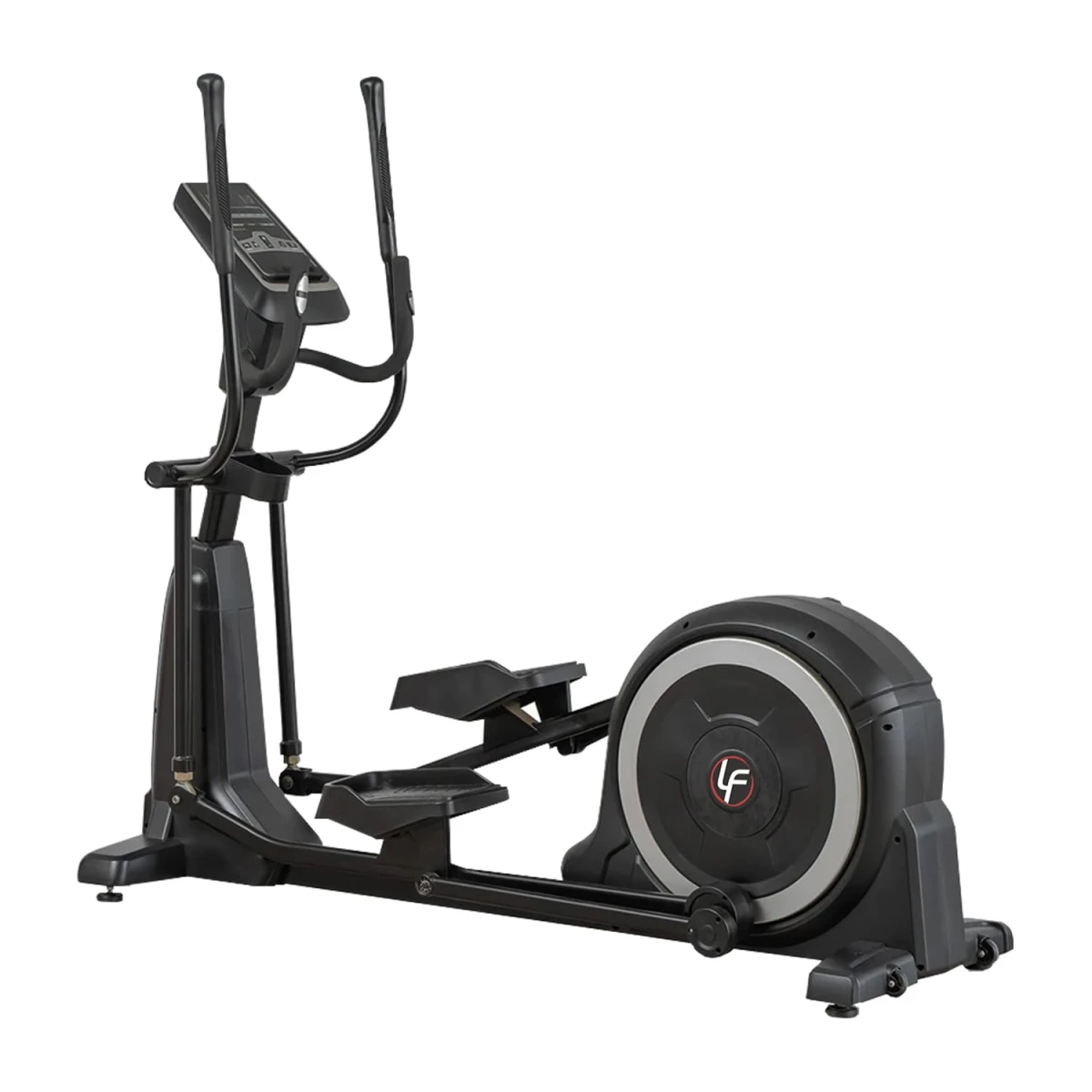
Elliptical trainers offer a low-impact cardiovascular workout that mimics running without placing excessive stress on the joints. The smooth, guided motion makes ellipticals suitable for people recovering from injuries or those looking to reduce joint strain.
These machines engage both upper and lower body muscles, providing balanced cardiovascular conditioning while supporting longer training durations.
Stationary Bikes
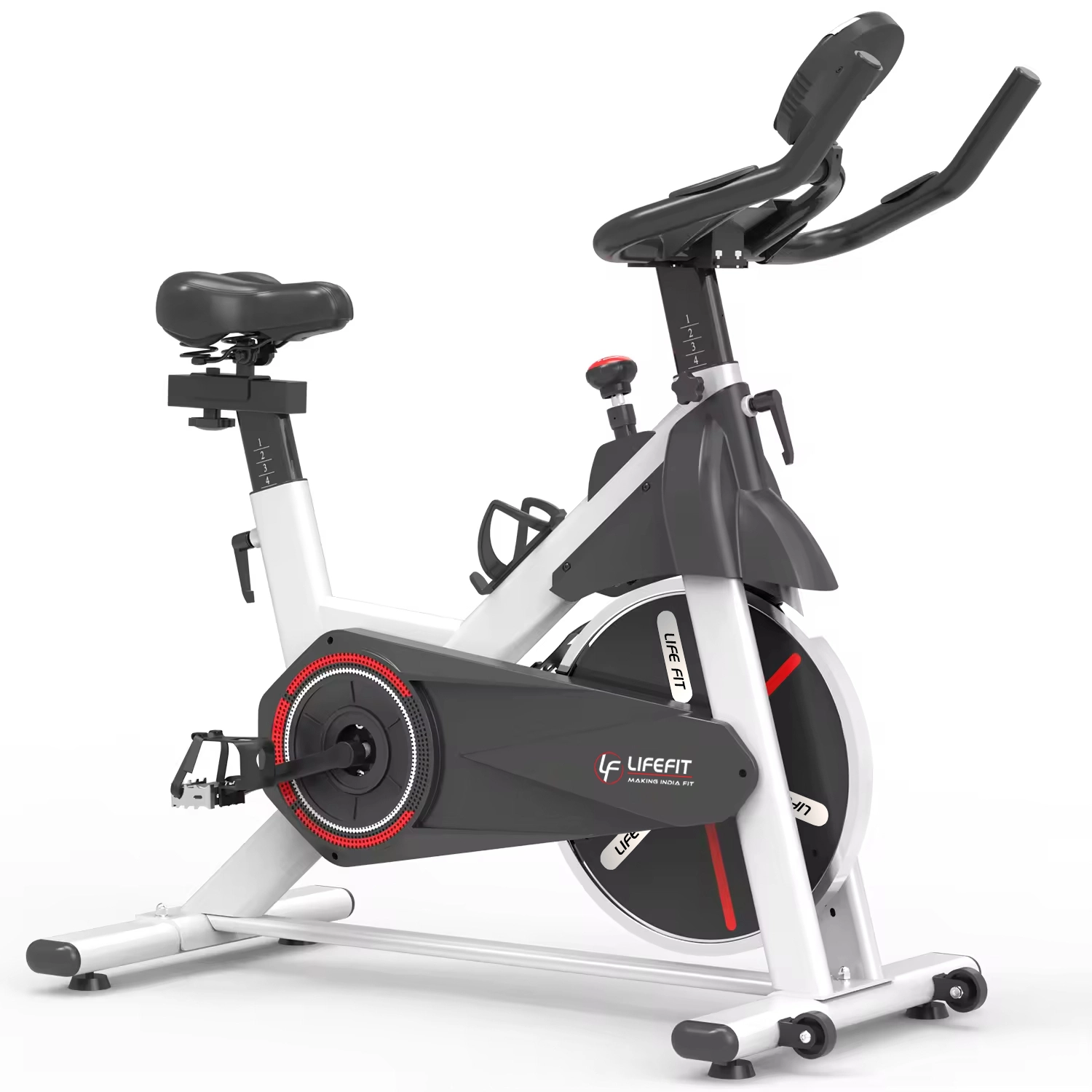
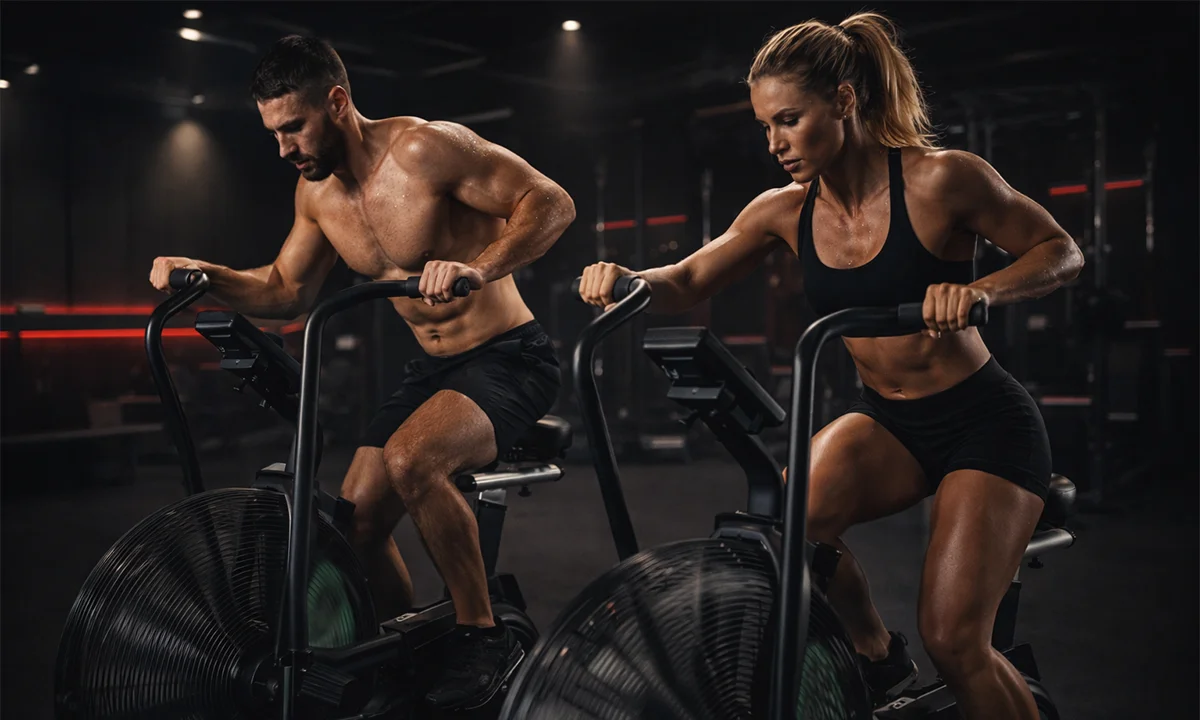
Stationary bikes are commonly used for steady-state cardio and interval training. They are available in upright and recumbent designs, catering to different comfort and posture needs.
Cycling-based cardio improves cardiovascular endurance and lower-body strength while remaining gentle on the knees and ankles. Stationary bikes are often preferred for longer sessions and rehabilitation-focused training.
Rowing Machines
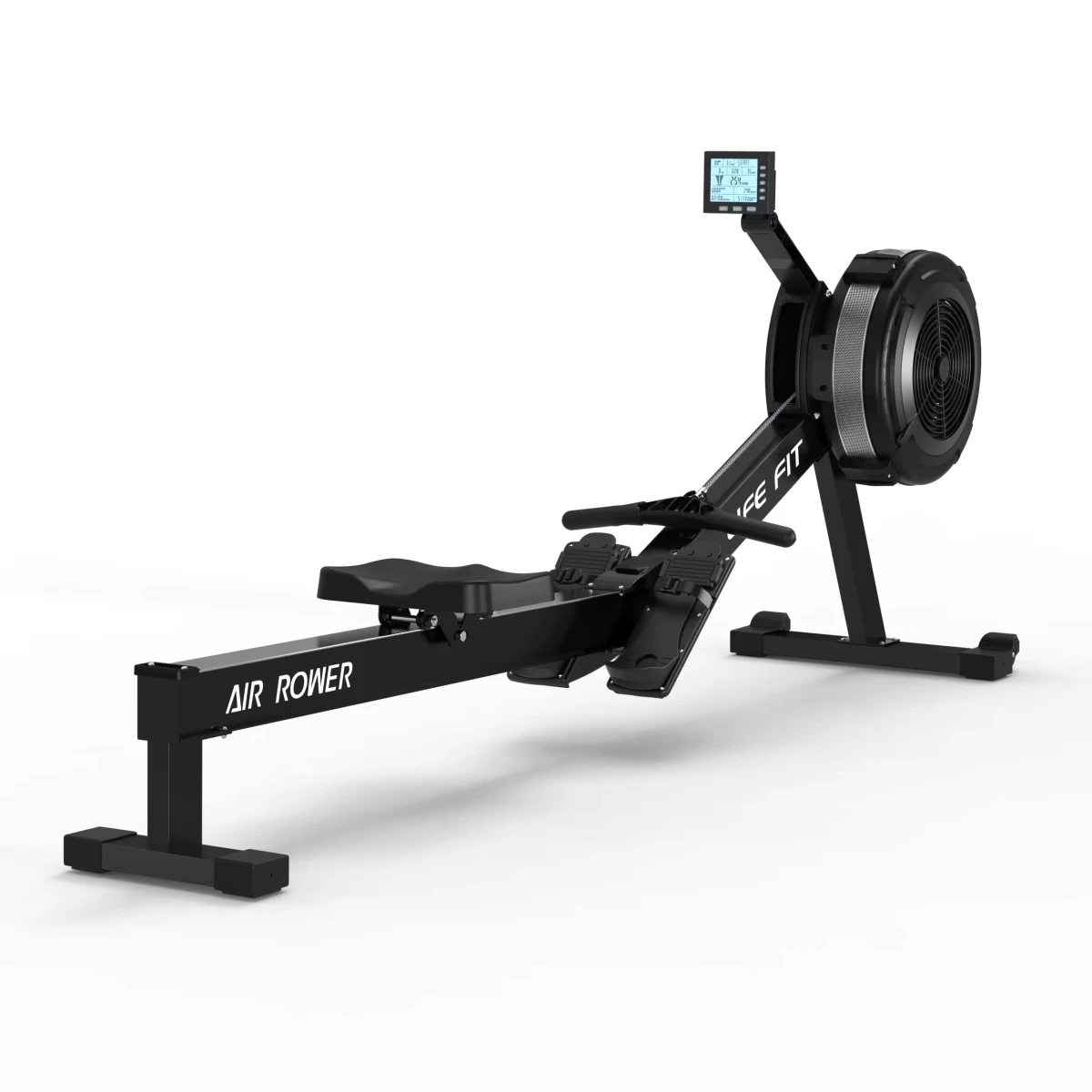
Rowing machines combine cardiovascular training with full-body strength engagement. Each stroke activates the legs, core, back, and arms, making rowing one of the most efficient cardio-based movements.
Rowers are effective for improving endurance, coordination, and muscular balance. They are commonly used in conditioning programs and high-intensity interval workouts.
Stair Climbers
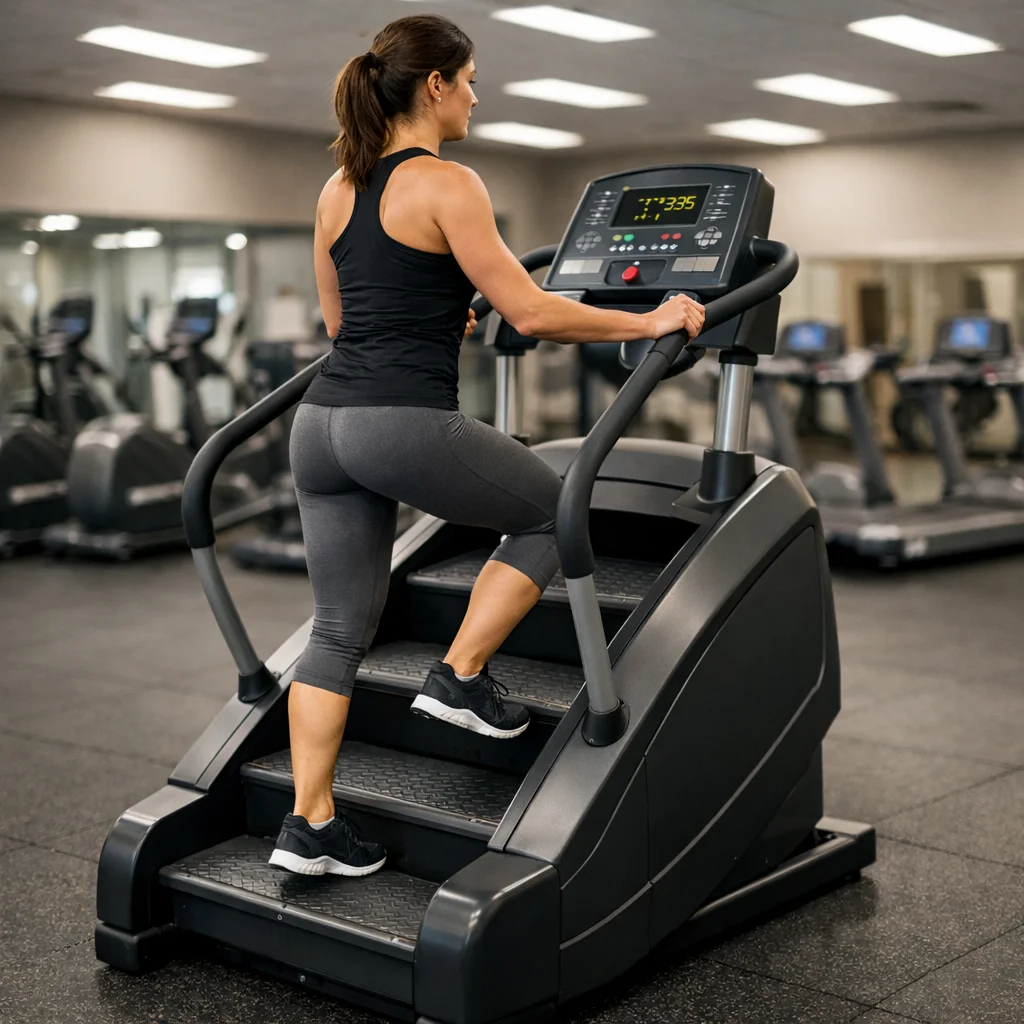
Stair climbers simulate stair climbing and focus heavily on lower-body endurance. These machines are effective for improving cardiovascular fitness while strengthening the glutes, quadriceps, and calves.
Due to their demanding nature, stair climbers are typically used for shorter, high-intensity sessions rather than extended workouts.
Benefits of Using Cardio Equipment in the Gym
Using cardio machines offers several advantages over unstructured cardio activities:
Consistent intensity and controlled progression
Ability to track time, distance, speed, and heart rate
Reduced weather dependency for indoor training
Access to low-impact options for joint-friendly workouts
Cardio equipment also allows users to tailor workouts based on fitness level and recovery needs.
How to Choose the Right Cardio Gym Equipment
Selecting cardio equipment depends on several factors:
Fitness level: Beginners benefit from machines with adjustable resistance and stable movement patterns
Training goals: Weight loss, endurance, or rehabilitation require different machine choices
Joint health: Low-impact machines are better for individuals with joint concerns
Space and usage: Home gyms may prioritize compact machines, while commercial gyms require durable, high-usage equipment
Choosing equipment that matches both physical needs and training preferences improves long-term consistency.
Frequently Asked Questions
Treadmills, elliptical trainers, stationary bikes, rowing machines, and stair climbers are the most common cardio machines in gyms.
Health guidelines recommend at least 150 minutes of moderate-intensity cardio or 75 minutes of high-intensity cardio per week.
Yes. Ellipticals and stationary bikes provide effective cardiovascular training while reducing joint stress.
Consistent cardio training supports calorie expenditure and fat loss when combined with proper nutrition.
Calorie burn depends on intensity and duration, but treadmills and rowing machines often produce higher energy expenditure at similar effort levels.
Conclusion
Cardio gym equipment forms the foundation of cardiovascular training in both home and commercial fitness environments. Each machine offers unique benefits, from low-impact conditioning to full-body endurance training.
Understanding the purpose and use of different cardio machines helps create balanced workouts that support heart health, stamina, and long-term fitness. Choosing the right equipment based on goals, comfort, and training needs ensures effective and sustainable cardiovascular exercise.