

Air bikes have become a staple in modern gyms, functional training studios, and serious home workout setups. Unlike traditional cardio machines that rely on fixed resistance, air bikes respond directly to your effort. The harder you push, the more resistance you create. This simple but powerful mechanism makes air bikes one of the most effective tools for conditioning, fat loss, and full-body fitness.
Often called fan bikes or assault bikes, air bikes are designed for people who want efficient workouts without complicated settings. They suit beginners starting their fitness journey as well as athletes who rely on high-intensity conditioning. Whether your goal is calorie burn, stamina, or performance training, air bikes deliver results in less time.
This guide explains how air bikes work, their key benefits, how they compare to other cardio machines, and who should consider using them.
What Is an Air Bike and How Does It Work?
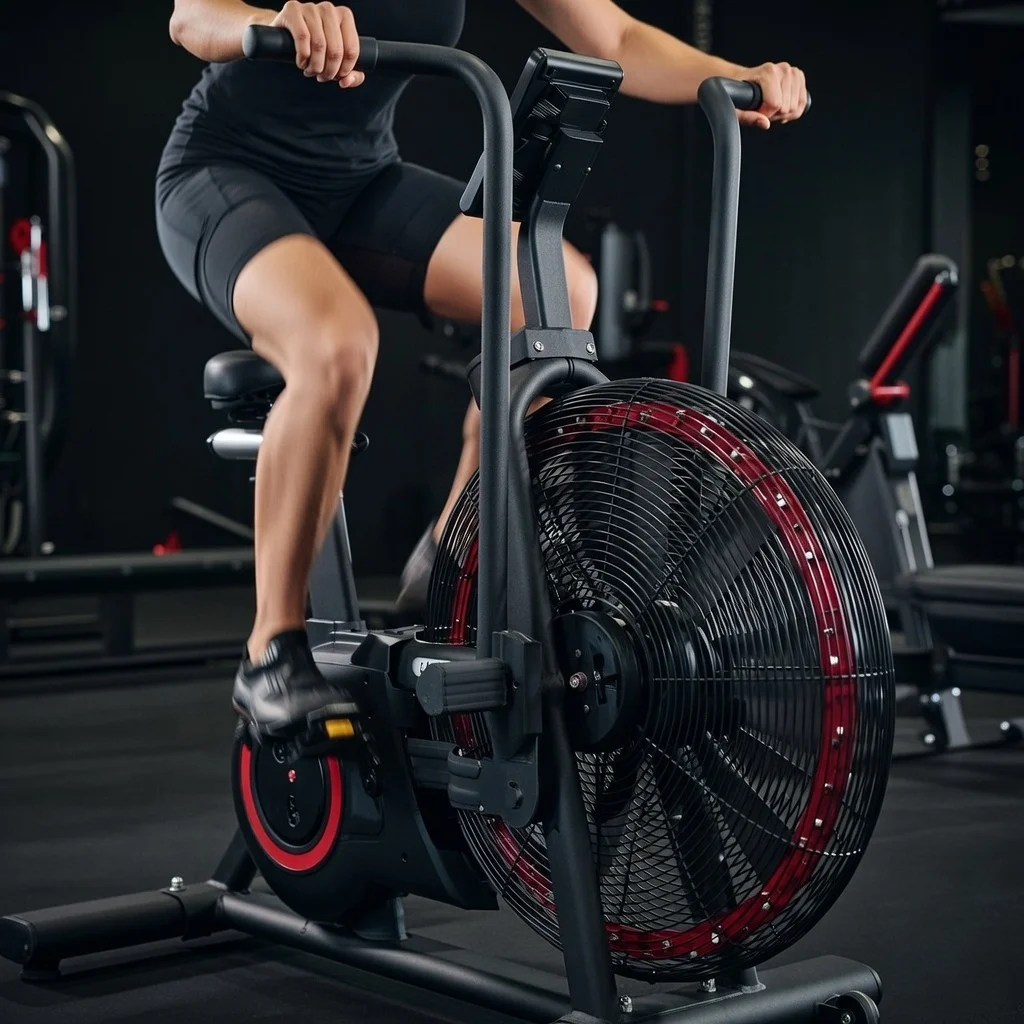
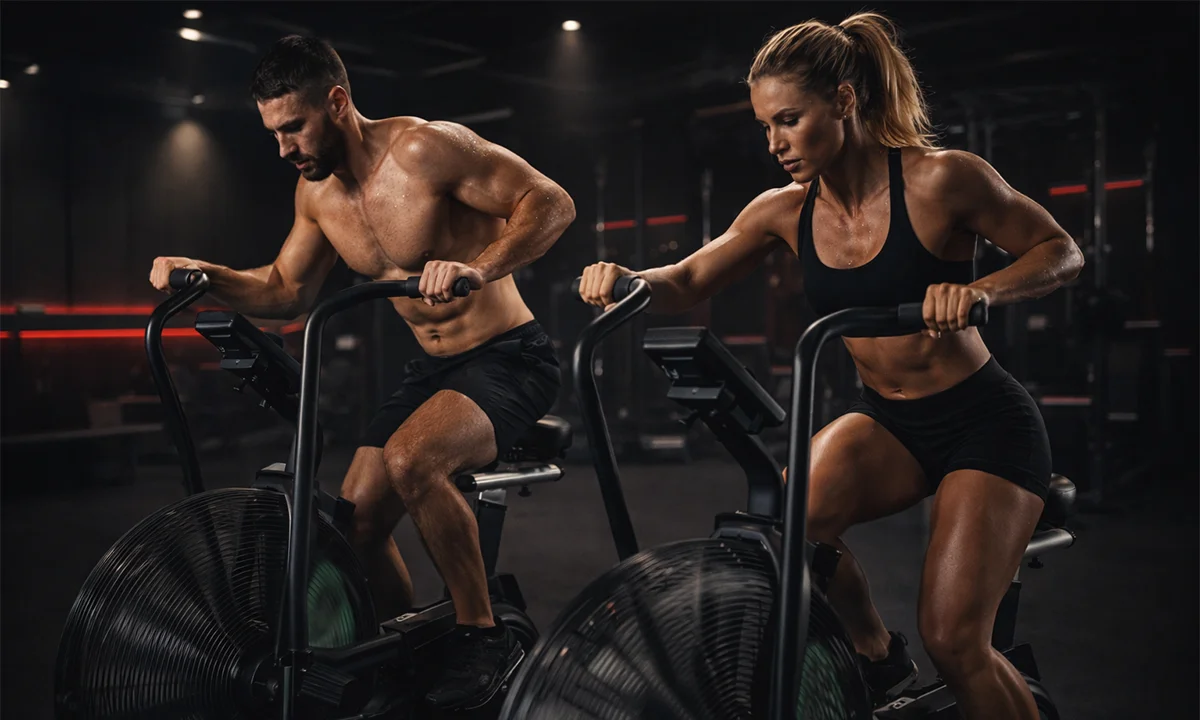
An air bike machine is a stationary exercise bike that uses air resistance instead of magnetic or motor-driven resistance. At the front of the bike is a large fan connected to the pedals and moving handles. As you pedal and push or pull the handles, the fan spins and creates resistance.
The defining feature of an air bike is self-regulating resistance. There are no preset resistance levels. Resistance increases automatically as you pedal harder and push faster. Slow effort results in light resistance, while maximum effort creates intense resistance. This makes air bikes suitable for every fitness level without manual adjustments.
Air bikes also differ from standard exercise bikes because they engage both the upper and lower body. The moving handles activate the arms, shoulders, and upper back while pedaling works the legs and glutes. This combination turns a simple cycling motion into a true full-body workout.
Key Benefits of Air Bikes
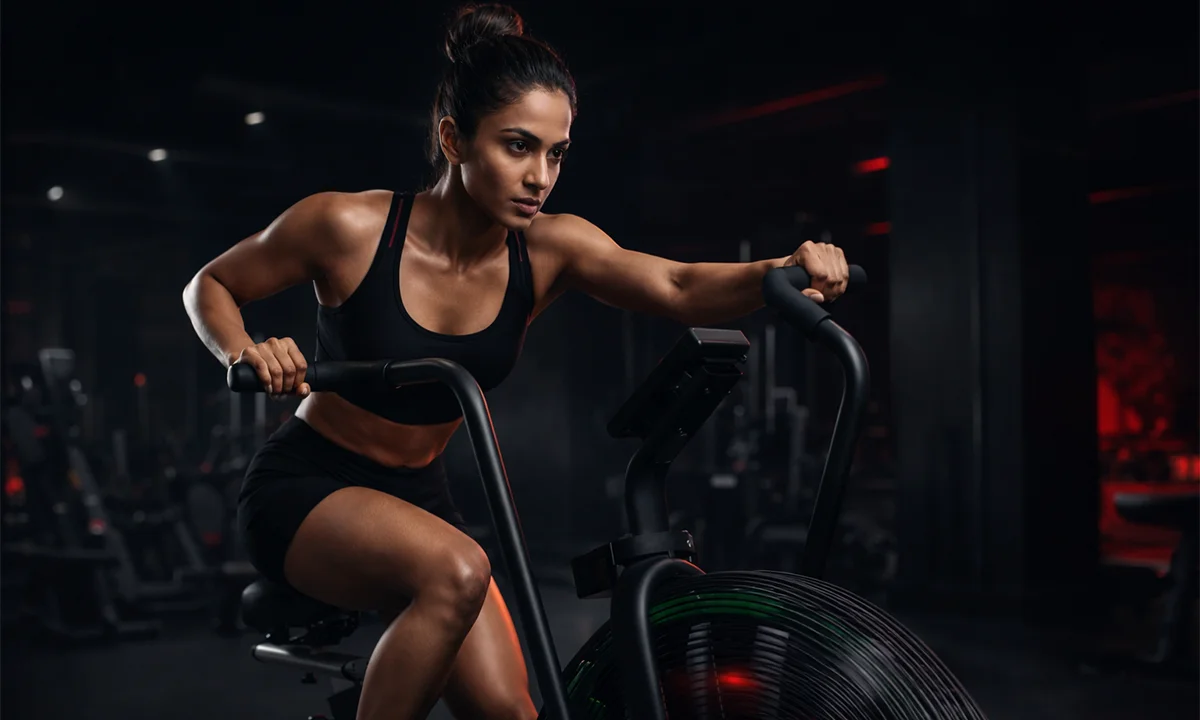
1. Full-Body Workout in One Machine
Unlike conventional stationary bikes that mainly target the lower body, air bikes engage the arms, shoulders, core, and legs at the same time. Every push and pull of the handles works the upper body while pedaling activates the lower body. This balanced engagement helps improve overall strength and coordination while increasing calorie burn.
2. High Calorie Burn in Short Workouts
Air bikes are highly effective for high-intensity interval training. Because resistance increases with effort, short bursts of hard pedaling can push your heart rate quickly. This leads to significant calorie burn in less time compared to steady-state cardio machines.
For people with limited workout time, air bikes provide an efficient solution without sacrificing results.
3. Ideal for HIIT and Conditioning Training
Air bikes are widely used in functional training and athletic conditioning programs. Their instant resistance response makes them perfect for sprint intervals, endurance rounds, and recovery sessions. You can transition seamlessly from low intensity to maximum effort without touching a single control.
This makes air bikes especially useful for CrossFit-style workouts and sports conditioning.
4. Low-Impact but High Intensity
Despite their intensity, air bikes are gentle on the joints. The smooth pedaling motion reduces stress on the knees, hips, and ankles. This makes air bikes a smart option for people recovering from injuries or those who want challenging workouts without excessive joint impact.
5. Scalable for Beginners and Advanced Users
Air bikes adjust naturally to the user’s ability. Beginners can pedal at a comfortable pace without feeling overwhelmed, while advanced athletes can push themselves to maximum intensity. This scalability allows multiple users with different fitness levels to use the same machine effectively.
Muscles Worked on an Air Bike
Air bikes activate multiple muscle groups simultaneously, making them one of the most efficient cardio machines available.
Lower body: Quadriceps, hamstrings, glutes, and calves drive the pedaling motion
Upper body: Shoulders, biceps, triceps, chest, and upper back work through the moving handles
Core: Abdominal and lower back muscles stabilize the body during intense efforts
Cardiovascular system: Heart and lungs are heavily challenged, improving endurance and stamina
Because of this full-body engagement, air bikes support both muscle conditioning and cardiovascular fitness in a single workout.
Air Bike vs Other Cardio Machines
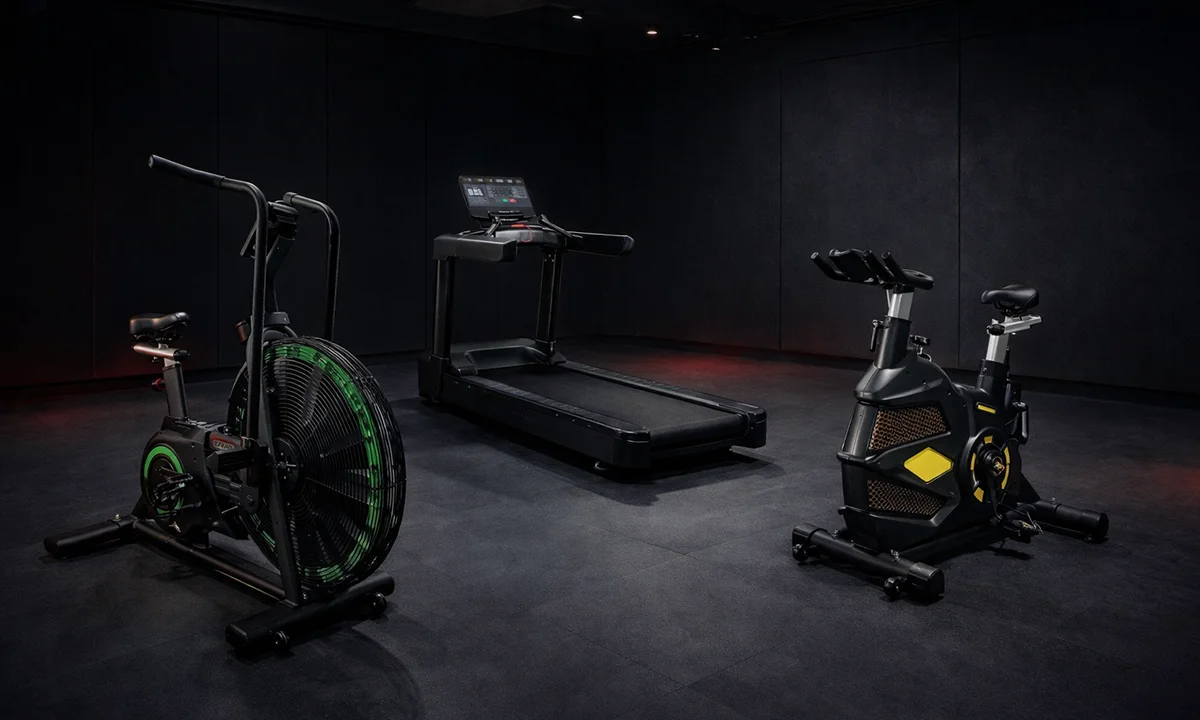
Choosing the right cardio machine depends on your goals, space, and workout style. Here’s how air bikes compare with other popular options.
Air Bike vs Treadmill
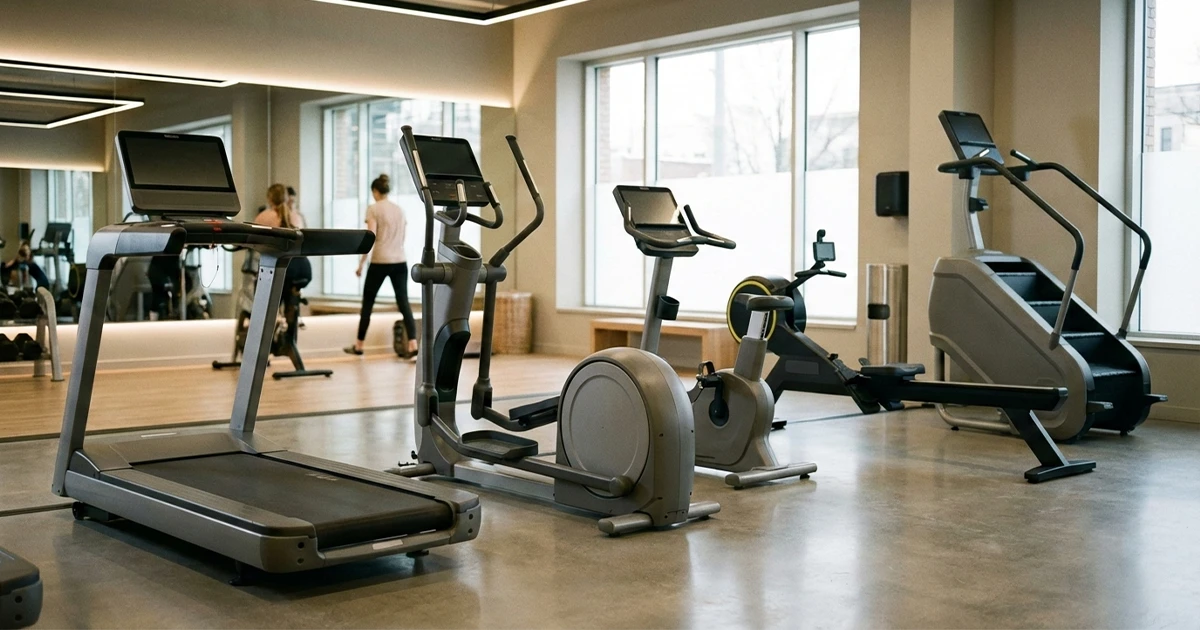
Treadmills are excellent for indoor cardio workouts such as walking, jogging, and steady-state endurance training. However, they mainly focus on the lower body and place repetitive impact on the joints. Air bikes, on the other hand, offer a full-body workout and allow high-intensity training with lower joint stress. For users focused on conditioning, fat loss, or athletic performance, air bikes are often more efficient.
Air Bike vs Spin Bike
Spin bikes are designed for indoor cycling workouts that focus on rhythm, cadence, and endurance. Air bikes go beyond cycling by engaging the upper body as well. Resistance on a spin bike is fixed or manually adjusted, while an air bike automatically increases resistance based on effort. This makes air bikes better suited for interval training and explosive conditioning.
Air Bike vs Elliptical
Ellipticals are popular for low-impact cardio machines that reduce joint stress while maintaining steady movement. However, they offer limited intensity for advanced users. Air bikes allow users to push far beyond moderate intensity, making them more effective for performance training and calorie-burning workouts.
Who Should Use an Air Bike?
Air bikes are versatile and adaptable, making them suitable for a wide range of users.
Fat loss seekers: High-intensity intervals on air bikes burn significant calories in short sessions.
Athletes and sports professionals: Ideal for conditioning, stamina, and power development.
Functional training and CrossFit users: Perfect for high-output workouts and metabolic conditioning.
Beginners: Resistance adjusts naturally, allowing gradual progression.
Home gym owners: Compact design and minimal electronics make air bikes a reliable choice for long-term home gym cardio equipment.
Rehabilitation and low-impact users: Smooth movement reduces joint strain while maintaining intensity.
This flexibility is one of the main reasons air bikes are widely used in both commercial gyms and serious home setups.
How to Use an Air Bike Effectively
Using an air bike correctly ensures better results and reduces fatigue-related errors.
Basic Usage Tips
Start with an upright posture and keep your core engaged. Push and pull the handles in sync with your pedaling motion. Avoid slouching or relying only on your legs, as this reduces the full-body benefit.
Simple HIIT Structure
A beginner-friendly interval structure looks like this:
20 seconds hard effort
40 seconds easy pace
Repeat for 10 to 15 minutes.
As fitness improves, intervals can become more intense or longer.
Endurance Sessions
For endurance training, maintain a steady pace for 20 to 40 minutes. Focus on controlled breathing and consistent effort rather than speed.
Common Mistakes to Avoid
Starting too hard without warming up
Using only the legs and ignoring the handles
Poor posture during high-intensity intervals
Correct form improves performance and prevents early fatigue.
Choosing the Right Air Bike
When selecting an air bike, consider how and where it will be used.
Build quality: Look for a sturdy frame designed for continuous use
Fan resistance: Larger fans generally provide smoother resistance
Comfort: Adjustable seat and handle height improve usability
Console: Basic performance metrics like time, calories, and intervals are sufficient
Use case: Commercial gyms require heavier-duty models, while home users can focus on compact designs
Choosing a reliable air bike ensures long-term performance and consistent training results.
Maintenance and Durability of Air Bikes
Air bikes are known for their durability because they use fewer electronic components. Regular care keeps them running smoothly.
Wipe down the frame and handles after use
Keep the fan area clean to maintain airflow
Periodically check bolts and moving parts
Lubricate chains or belts as recommended
With minimal maintenance, air bikes can last for years even in high-usage environments.
Frequently Asked Questions
An air bike, also known as a fan bike, uses air resistance to create workout intensity. The faster and harder you pedal and push the handles, the more resistance the fan generates. This self-adjusting resistance makes air bikes suitable for both beginners and advanced users.
Air bike workouts improve cardiovascular endurance, burn a high number of calories, and train both upper and lower body at the same time. Because resistance adapts to effort, air bikes work well for steady cardio, interval training, and high-intensity workouts.
Yes, air bikes are effective for weight loss because they support high-intensity interval training and full-body movement. Short, intense sessions can burn significant calories while also improving metabolic conditioning when combined with a balanced diet.
Air bike training engages multiple muscle groups including quadriceps, hamstrings, glutes, calves, arms, shoulders, chest, and core. This full-body involvement makes it more demanding than traditional stationary cycling.
Both machines are effective, but they serve different purposes. Treadmills are ideal for running-focused cardio, while air bikes provide a low-impact, full-body workout with variable resistance. Air bikes are often preferred for HIIT and conditioning, while treadmills suit steady-pace endurance training.
Yes, air bikes are beginner-friendly because resistance increases only when effort increases. They are also compact, durable, and low-maintenance, making them a practical choice for home gyms and commercial fitness spaces alike.
Conclusion: Are Air Bikes Worth It?
Air bikes stand out as one of the most effective cardio machines available today. Their ability to deliver full-body workouts, scale to all fitness levels, and support high-intensity training makes them a valuable addition to any gym or home setup.
Whether your goal is fat loss, conditioning, or overall fitness, air bikes provide a powerful and efficient solution. With proper usage and consistent training, they can significantly improve endurance, strength, and cardiovascular health.